Tree Removal•2026-09-14
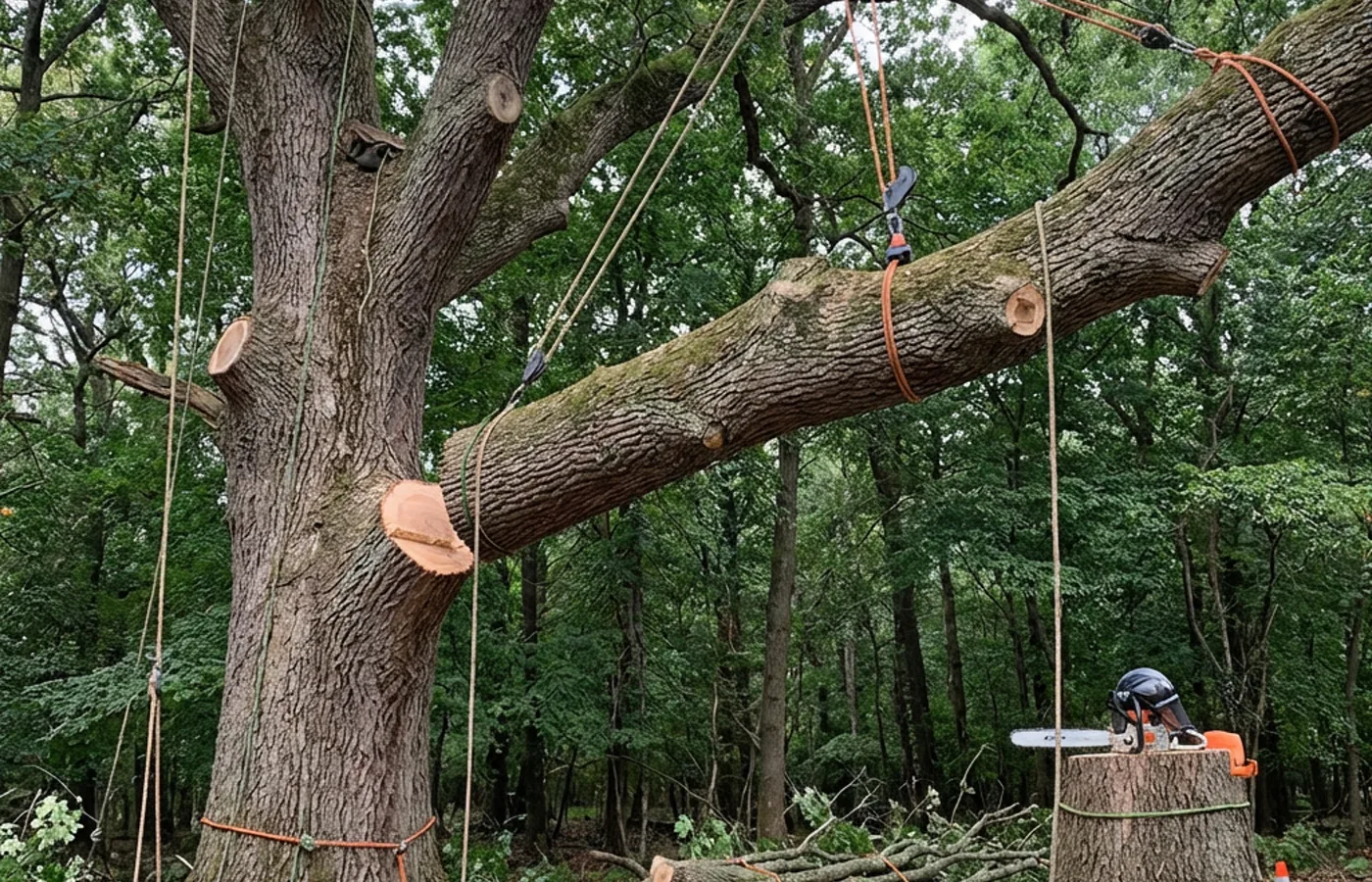
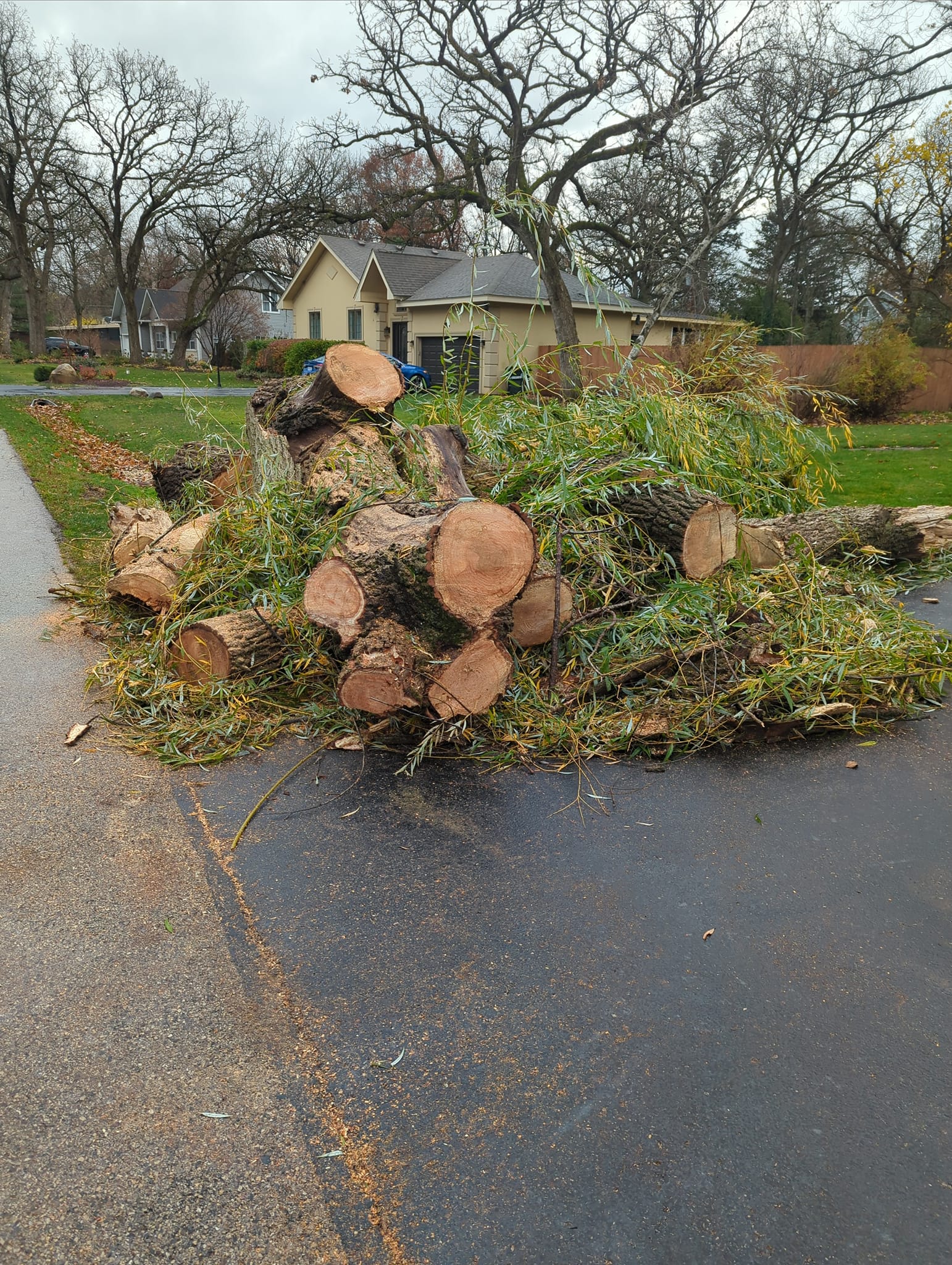
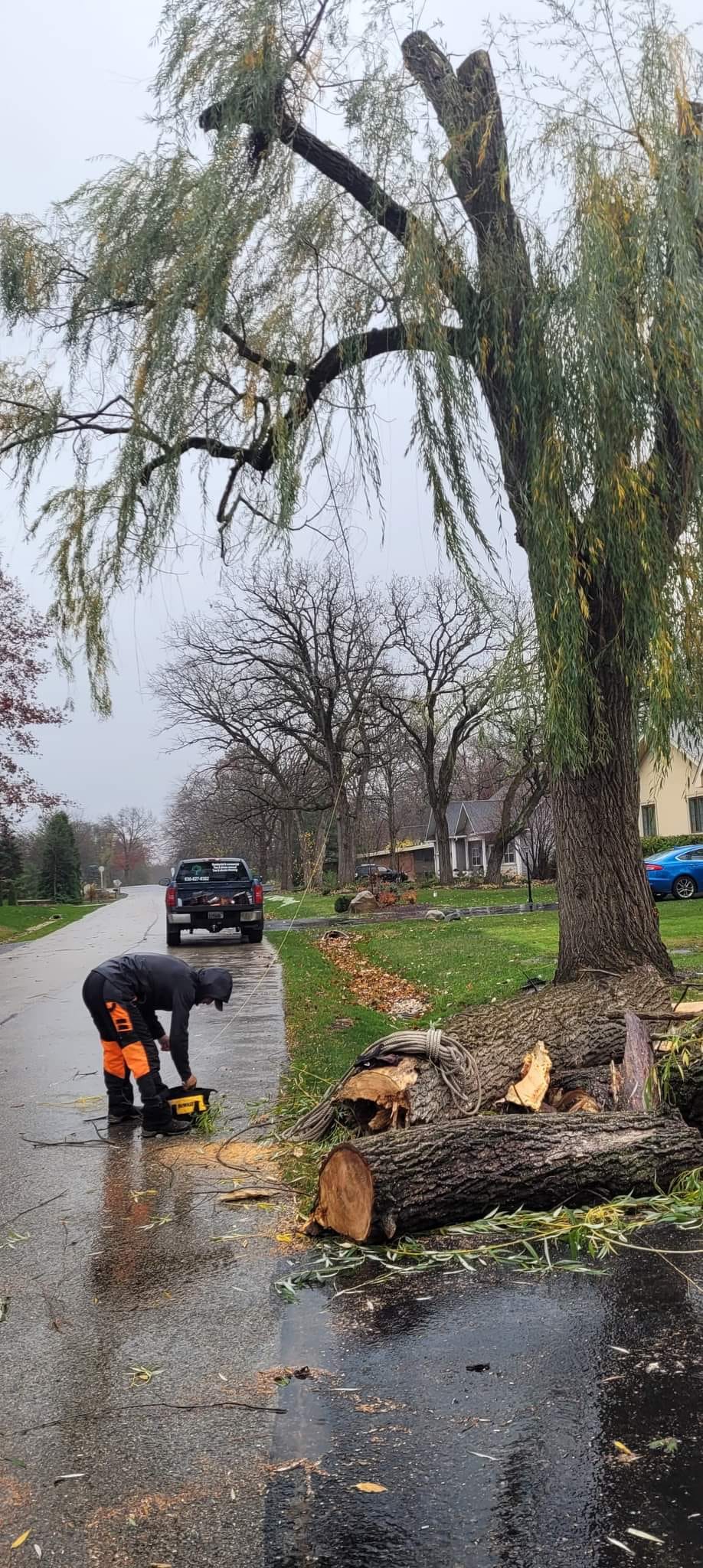
Tree Removal in Tight Wheaton Yards: How Crews Plan Safe Access
A narrow side yard or a tree close to the house calls for careful access, rigging, protection, and cleanup planning.
5 min readRead More
Helpful articles on tree trimming, pruning, removals, storm response, safety, and property care for residential and commercial clients.
A narrow side yard or a tree close to the house calls for careful access, rigging, protection, and cleanup planning.
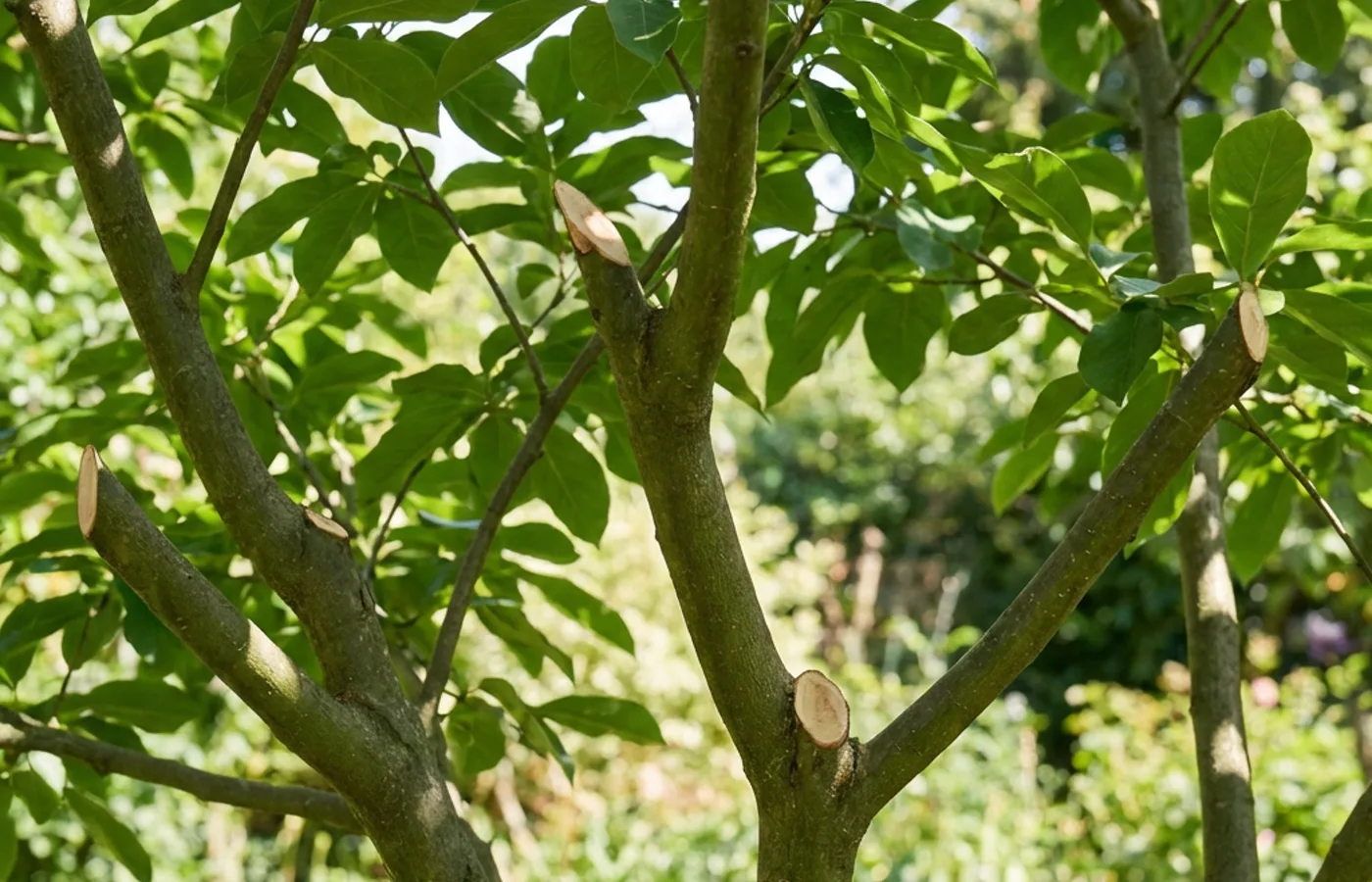
Small, selective cuts can help a young tree build a stronger trunk and better branch spacing before defects become difficult to correct.
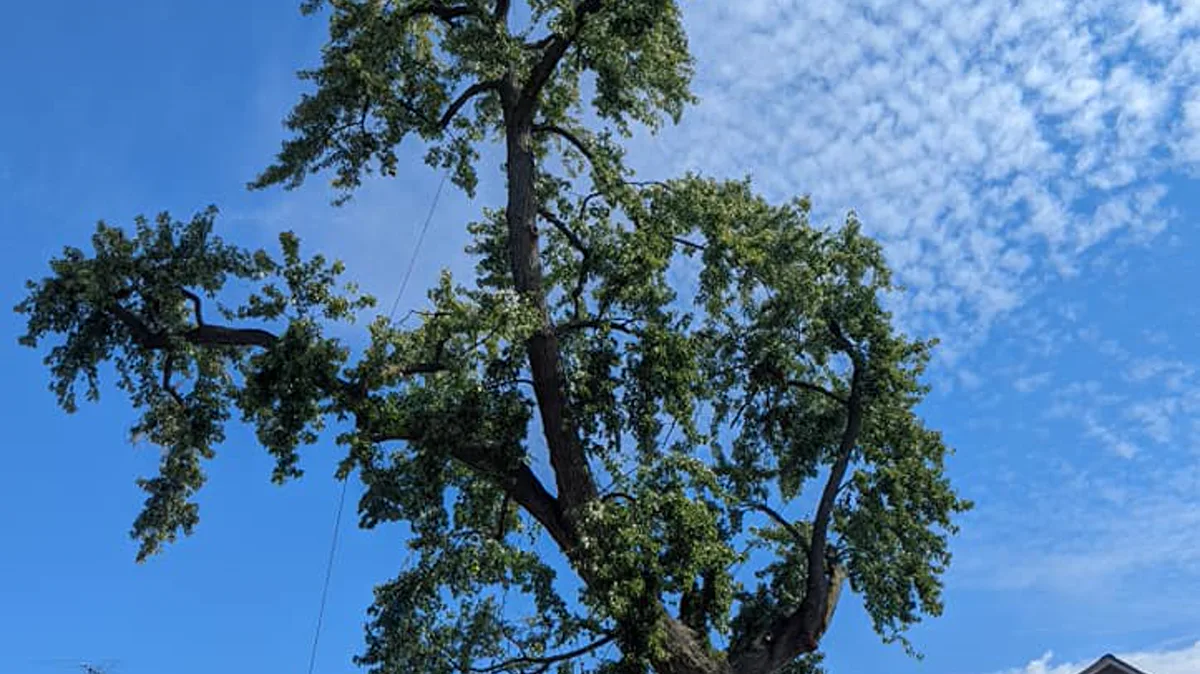
Late-summer dieback can reflect drought stress, root problems, pests, disease, construction damage, or a branch defect. The pattern helps narrow the cause.
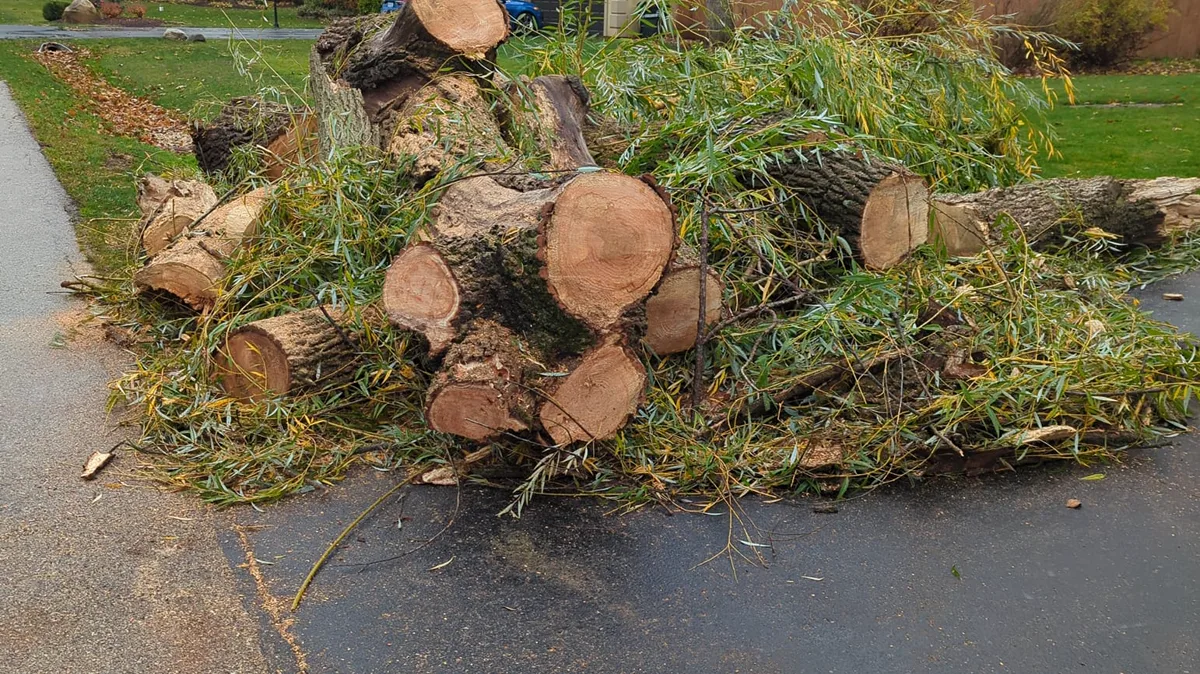
Clearance should reduce contact and damage without stripping the canopy. Learn how roof shape, species, growth rate, and branch structure affect the plan.
Home improvement projects can inadvertently harm your trees. Discover practical strategies to protect their root systems, trunks, and canopies during construction and landscaping in Wheaton.
Beyond aesthetics, professional stump grinding offers significant benefits for your yard's health and usability in Wheaton. Explore the advantages and the straightforward process.
Late summer reveals drought stress, deadwood, weak unions, and other concerns before winter wind, snow, and ice add load. Here is what a practical inspection should cover.

Roots usually enter sewer lines through existing cracks rather than breaking sound pipe. Learn how arborists and plumbers work together before anyone cuts major roots.
Oak wilt is one of the most serious tree diseases in northern Illinois, and pruning an oak at the wrong time of year is one of the surest ways to invite it. Here is how the disease spreads and how to protect your oaks.
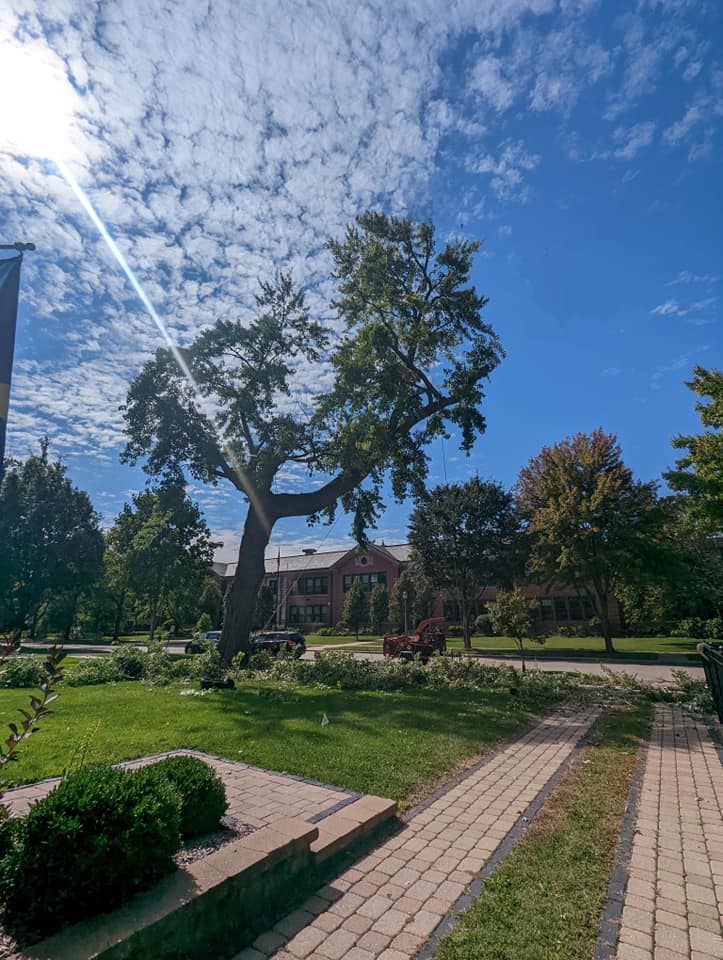
If your tree's leaves are turning yellow while the veins stay green, the problem is often the soil rather than the tree. Here is what iron chlorosis is, why it is common in the Chicago area, and how to address it.
Road and sidewalk de-icing salt is one of the most overlooked causes of tree and shrub decline in the Chicago suburbs. Here is how salt damage happens and how to protect your plants.
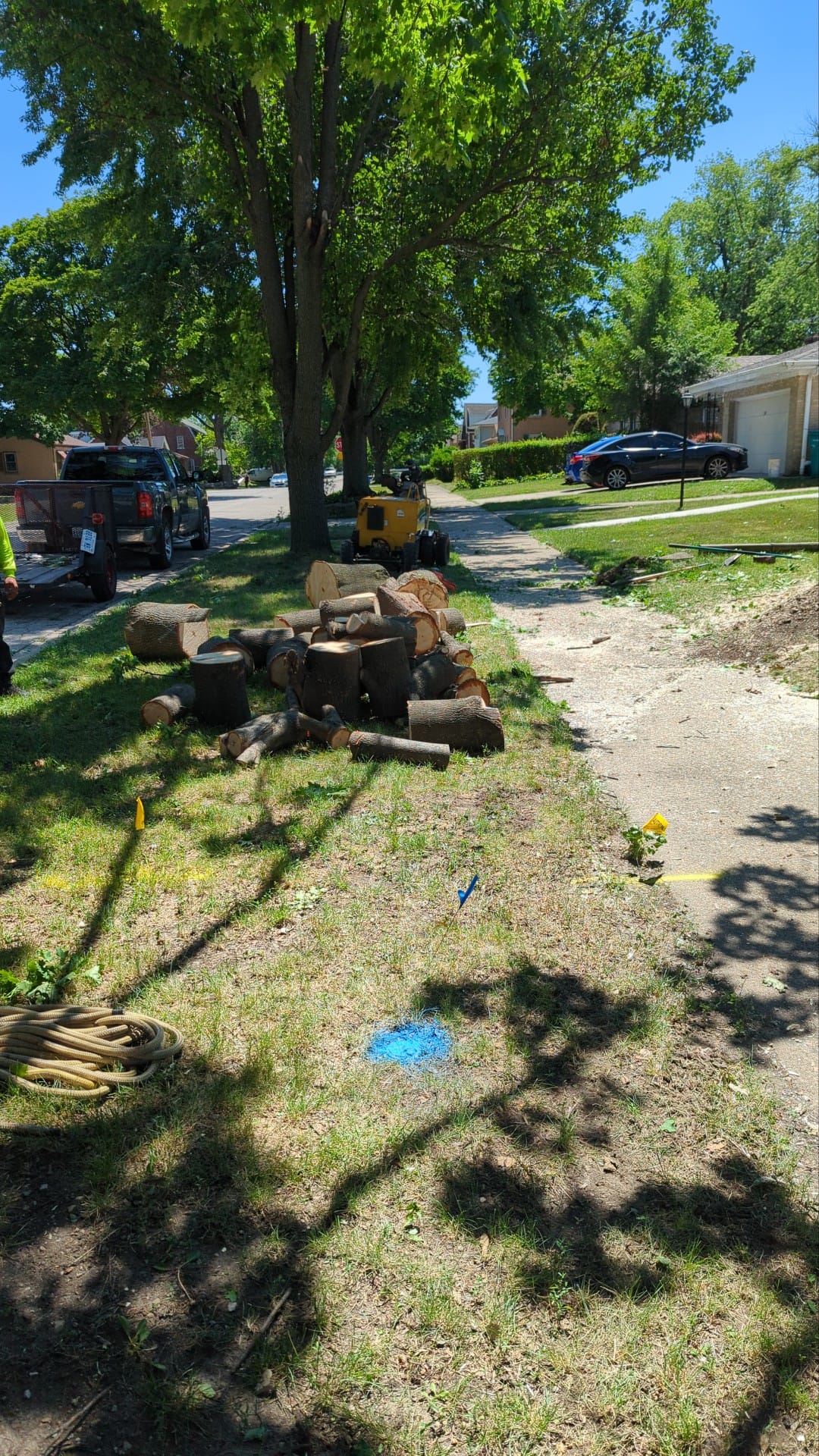
A sunny winter day can crack the bark of a young or thin-barked tree in the Chicago area. Here is what frost cracks and sunscald are, which trees are at risk, and how to prevent them.
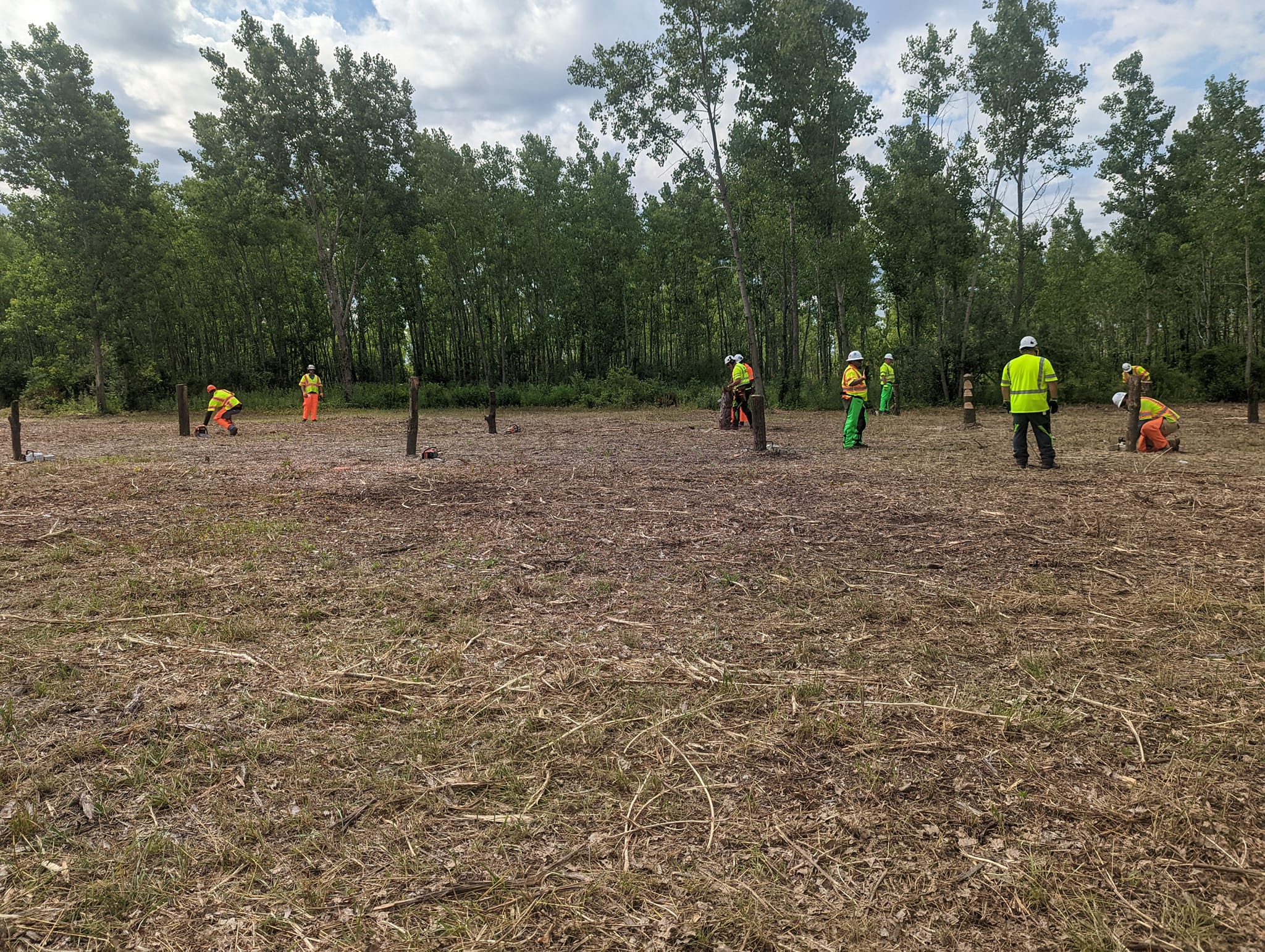
Crabapples and other ornamentals in the Chicago suburbs are prone to apple scab and other diseases that defoliate them by midsummer. Here is what to watch for and how to manage it.
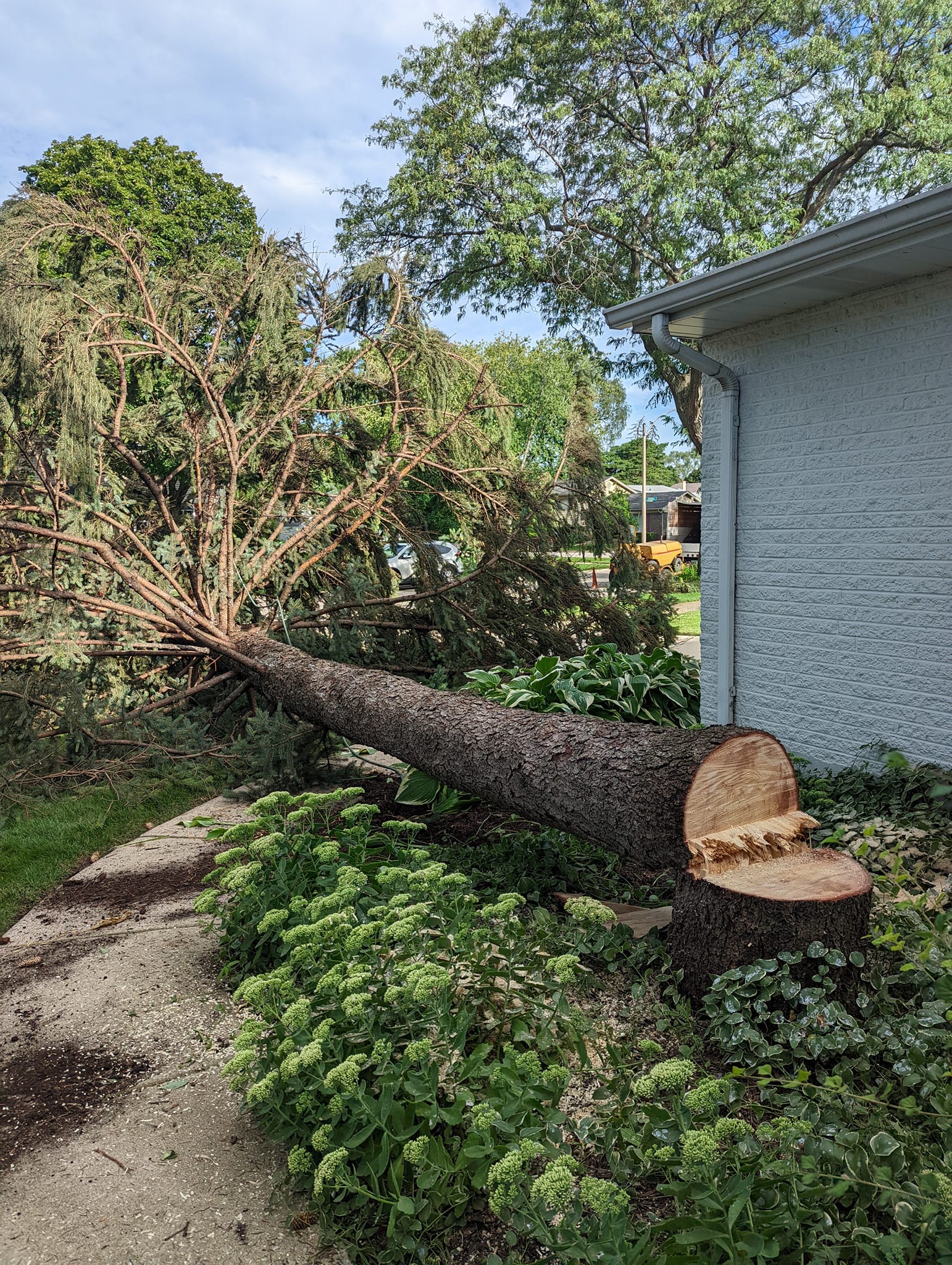
Spring gets all the attention, but fall is often the ideal season to plant a tree in the Chicago suburbs. Here is why, and how to give a fall-planted tree the best start.
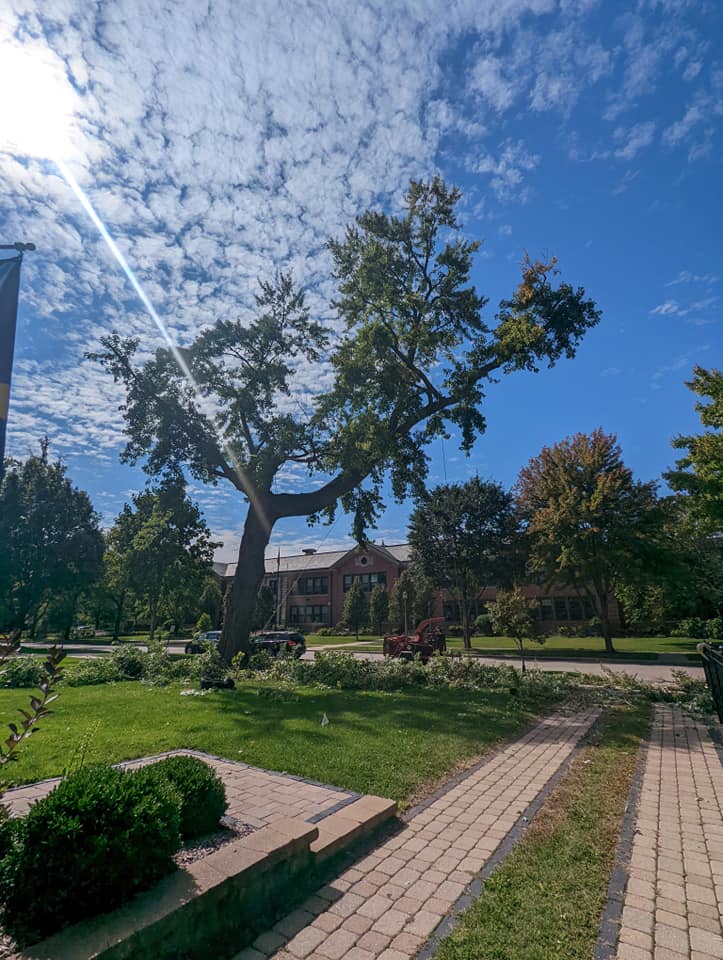
A summer storm can leave broken limbs and split trees behind in minutes. Here is a calm, safe plan for the first 24 hours so you protect your family and your property in Wheaton.
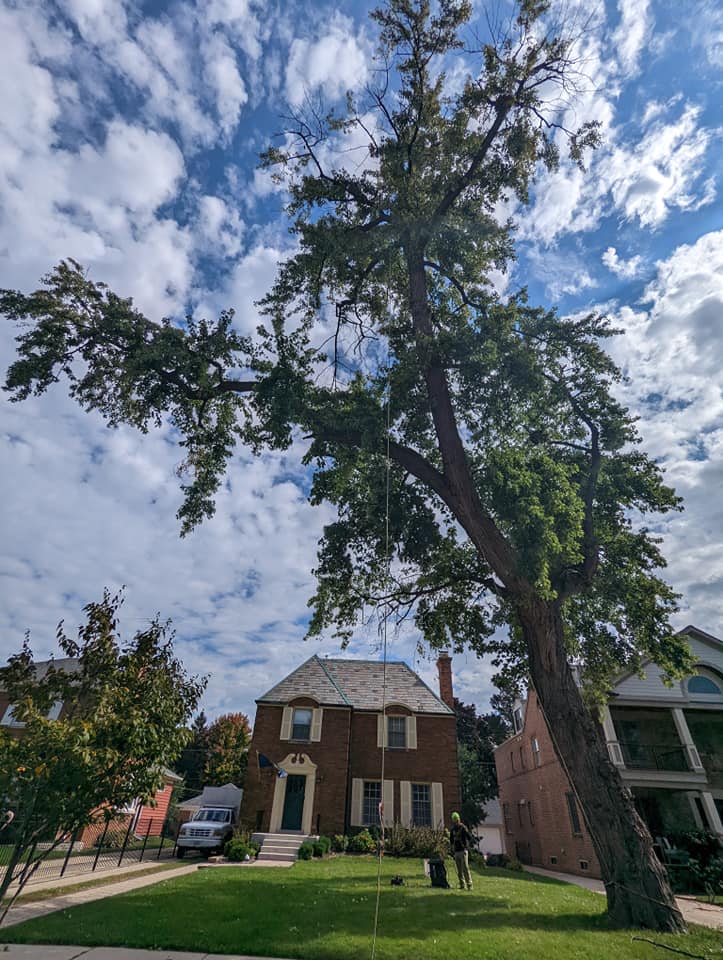
Planting a shade tree is a decision you live with for decades. Here is how to pick the right species, the right spot, and set a new tree up to thrive in a Wheaton, Illinois yard.
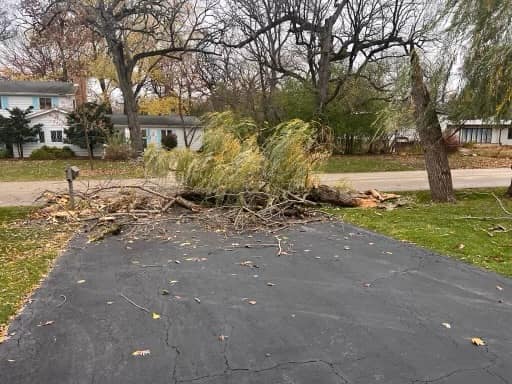
Mid-summer is when emerald ash borer damage becomes visible on ash trees. Here is what to look for, why early detection matters, and what your options are once it is confirmed.
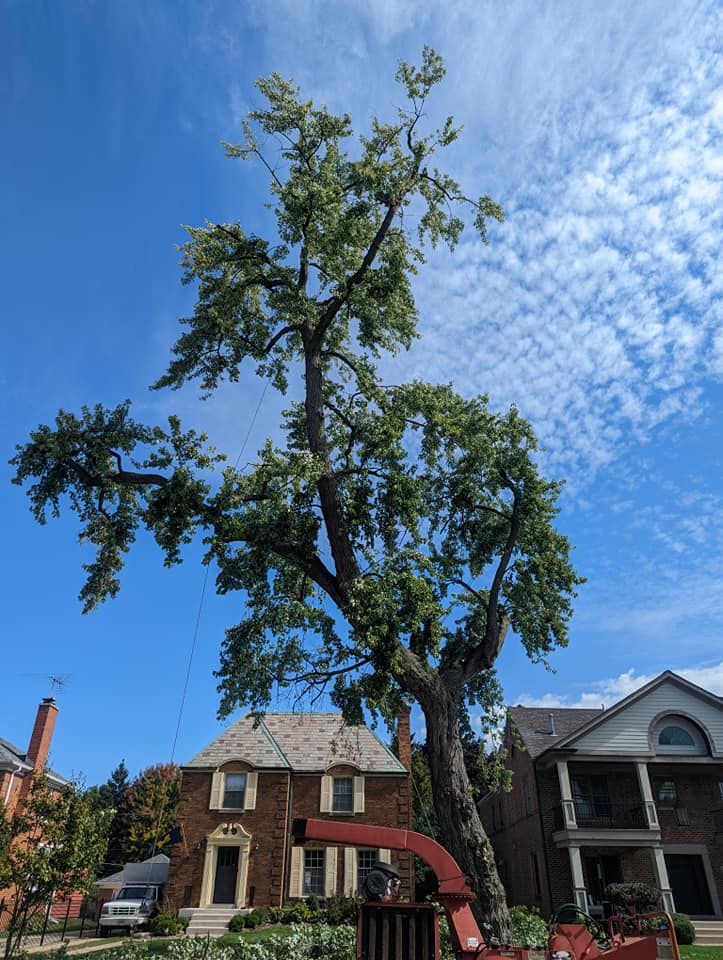
Mature trees suffer quietly in a long, dry summer, and shallow watering makes it worse. Here is how to deep-water an established tree correctly when the heat sets in.
Topping looks like a quick fix for a tree that has gotten too big, but it sets off a chain of problems that leave the tree weaker, riskier, and uglier than before. Here is what topping actually does and what to ask for instead.
Mulch is one of the best things you can do for a tree, and one of the easiest to get wrong. Here is how to mulch correctly and why the cone of mulch piled against the trunk does slow, hidden damage.
A leaning tree makes people nervous, but not every lean is a hazard. Here is how to tell the difference between a tree that has always tilted and one that is starting to fail at the roots.
The clumped, multi-trunk ornamentals that look so good in a landscape are also the ones most prone to splitting at the base. Here is how to inspect them for bark inclusions before a summer storm finds the weak point.
Crown cleaning and crown thinning sound similar and get used interchangeably, but they are different jobs with different goals. Here is what each one actually does and which your trees may need this summer.
Every summer, large limbs break off seemingly sound trees on still, hot afternoons with no wind at all. Here is what is actually behind sudden summer branch drop and how to lower the odds on your property.
When two stems compete for the lead, bark can get trapped between them and create a weak union that fails under load. Here is how to spot co-dominant stems and included bark before they split a tree apart.
Mushrooms and shelf-like conks at the base of a tree are rarely random. They often signal decay in the roots or lower trunk. Here is how to read fungal growth and decide what to do about it.
A girdling root wraps around the base of a tree and slowly chokes off the flow of water and nutrients. Here is how to spot the warning signs early and what can be done before the damage is permanent.
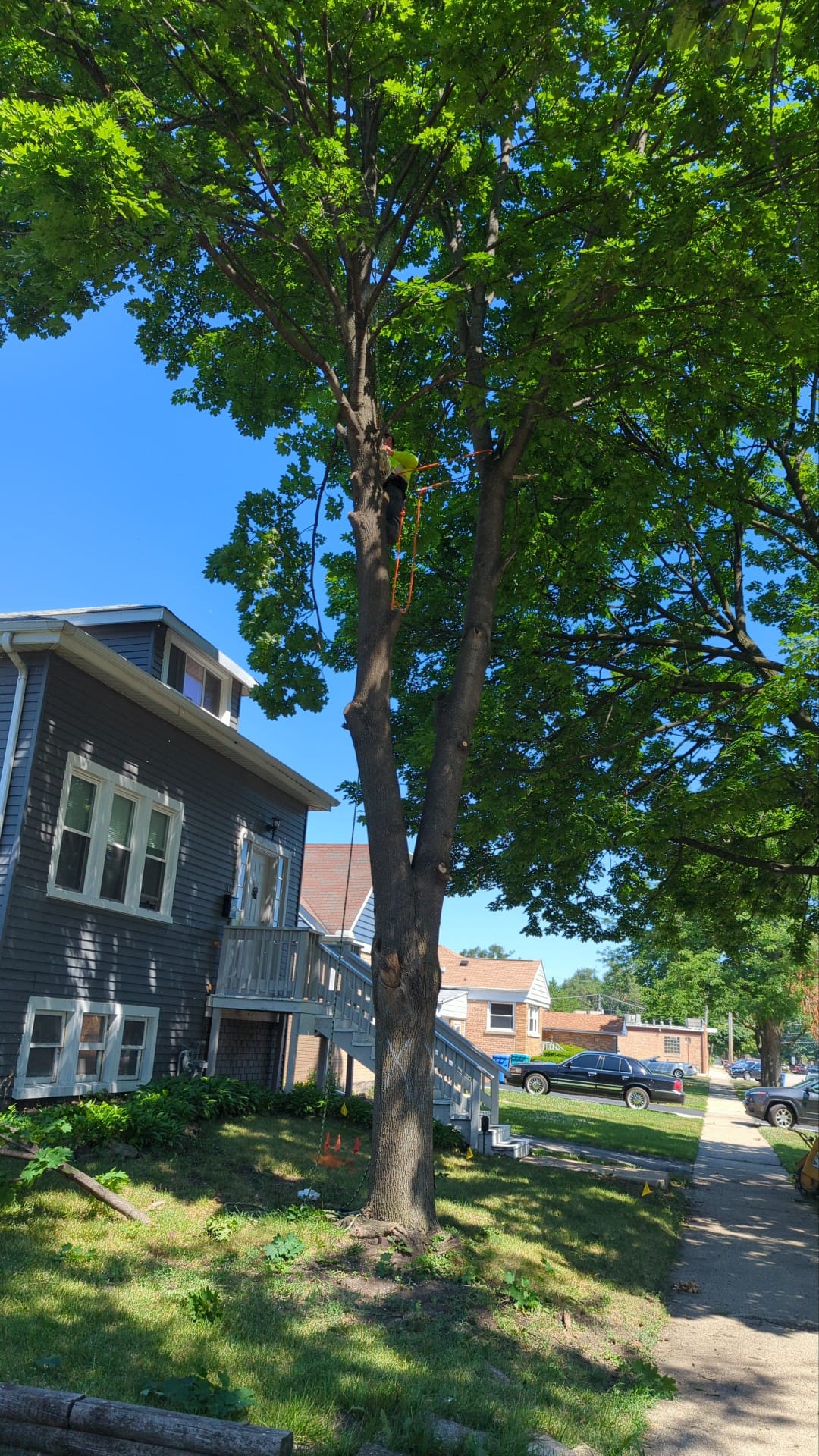
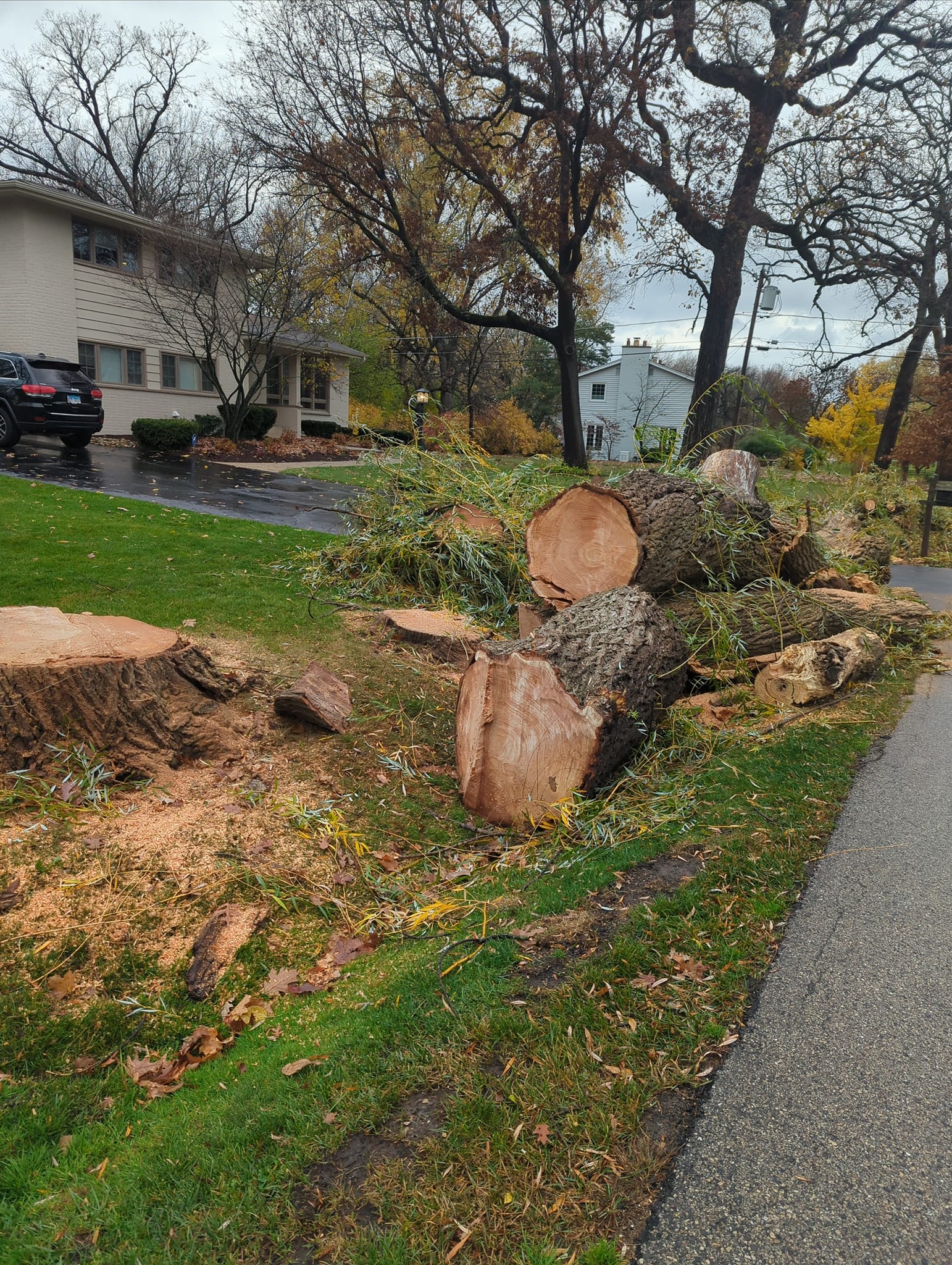
A removed tree leaves behind logs, brush, chips, and a stump. Here is what actually happens to all that material, what your options are, and what to settle before the crew arrives.
Summer heat changes how tree roots grow, absorb water, and respond to stress. Here is what is happening underground and what it means for your trees.
Trees do not heal like animals do. They compartmentalize wounds and wall off damage. Here is how that process works and why the quality of the cut matters so much.
Canopy thinning is one of the most misunderstood pruning operations. Here is when mid-summer thinning helps a tree, when it hurts, and how it is done correctly.
Most tree pest and disease problems are easier to treat when they are caught early. Here is a practical scouting routine for homeowners and property managers in early summer.
Lot clearing for a new home or commercial build is more than knocking down trees. Here is how a proper lot clearing job is scoped, sequenced, and finished.
Young trees fail most often from watering mistakes, not from disease. Here is a practical summer watering plan for newly planted and young trees on your property.
Spring storms can turn weak limbs and unstable trees into property damage overnight. Here is how to get your trees ready before severe weather arrives.
If a tree crew tells you the work near a power line is not theirs to do, that is the right answer. Here is why, and how to get the job done correctly.
Most mature trees do not need yearly fertilization. Here is when feeding a tree actually helps and when it makes existing problems worse.
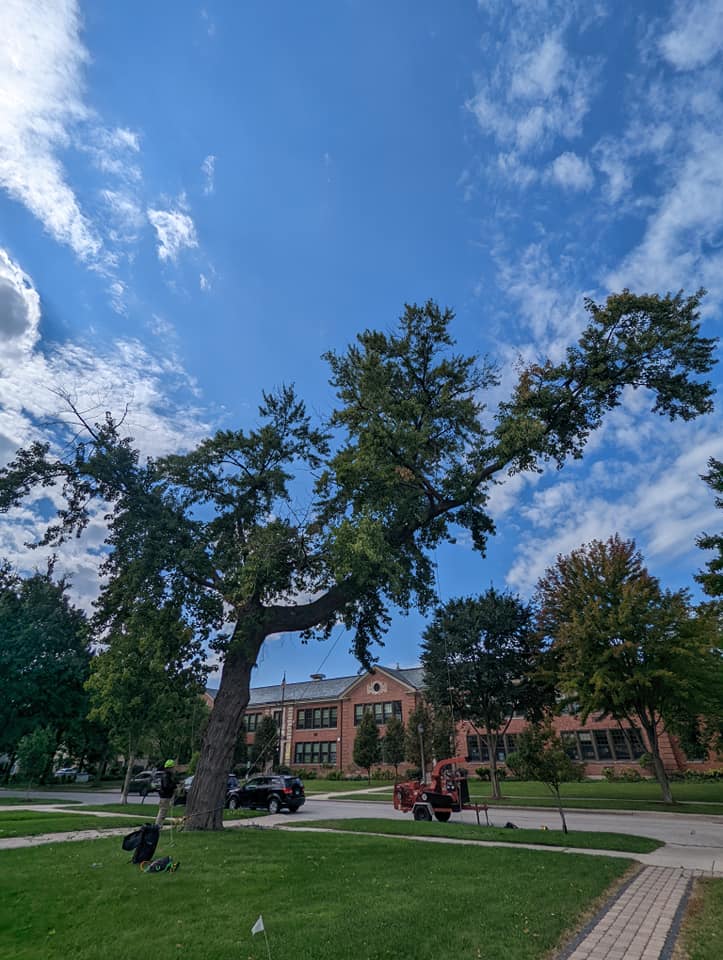
Arborists and landscapers overlap on the small jobs and diverge sharply on the important ones. Here is how to know which professional you actually need.
Hedge trimming and tree pruning use different cuts, different timing, and different goals. Using the wrong approach on the wrong plant is one of the most common landscape mistakes.
The pattern of how a tree leafs out in spring tells you more about its overall health than almost any other single observation in the year.
By late spring, trees have leafed out enough to reveal hidden problems. Here is what a professional tree health assessment actually checks for at this time of year.
Compacted soil is one of the most common silent killers of urban and suburban trees. Here is how to spot it and what you can actually do about it.
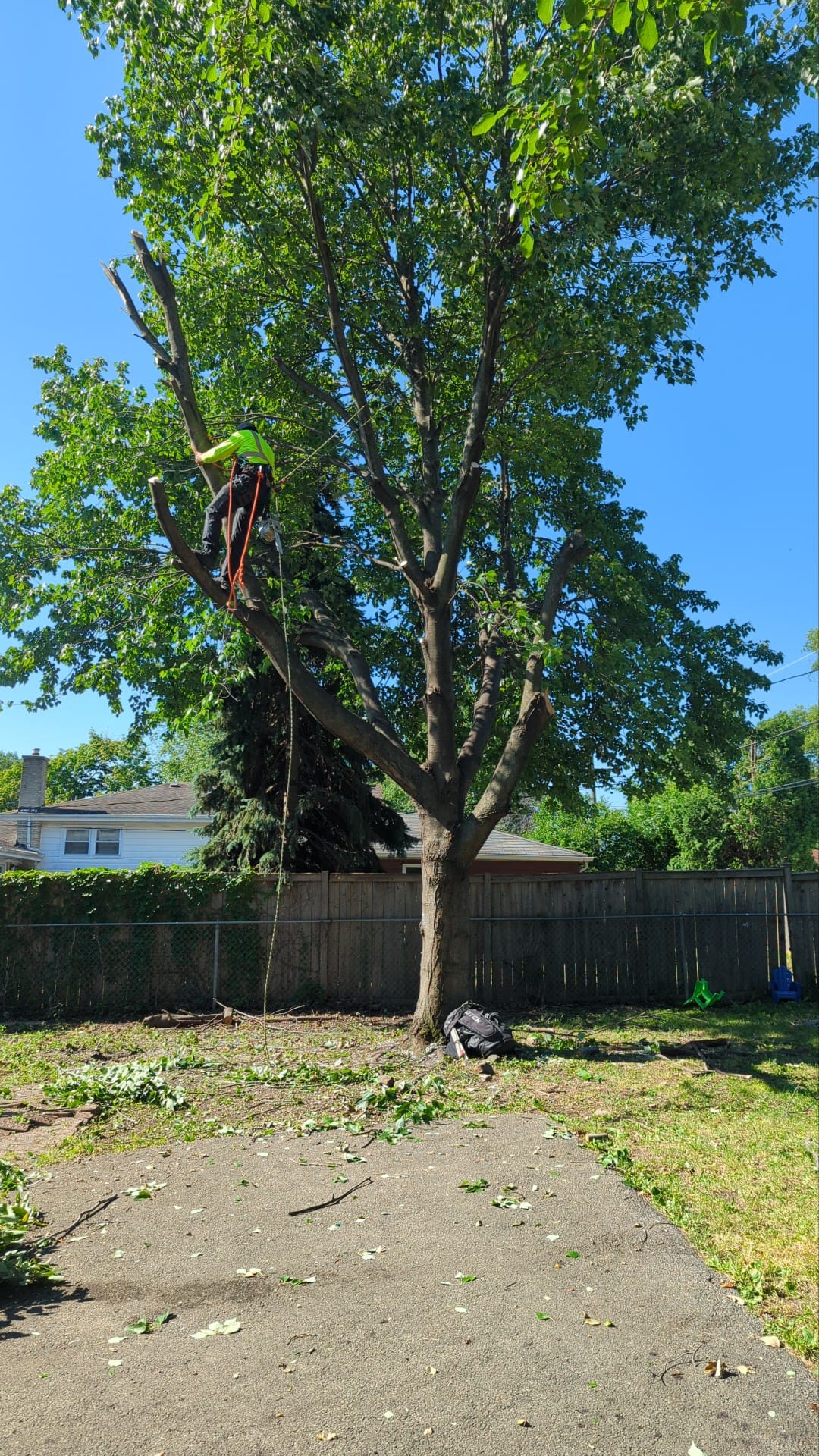
A simple yearly tree-care budget helps homeowners avoid emergency bills, plan around growth cycles, and protect the value of mature trees.
Construction near a mature tree causes more damage than most homeowners realize. The signs often take a year or two to show up.
Most newly planted trees do not need stakes at all. When they do, the way the stakes are set matters more than the stakes themselves.
A proper mulch ring is one of the cheapest, most effective things you can do for a young tree. Most yards we visit get the depth, the diameter, or the placement wrong.
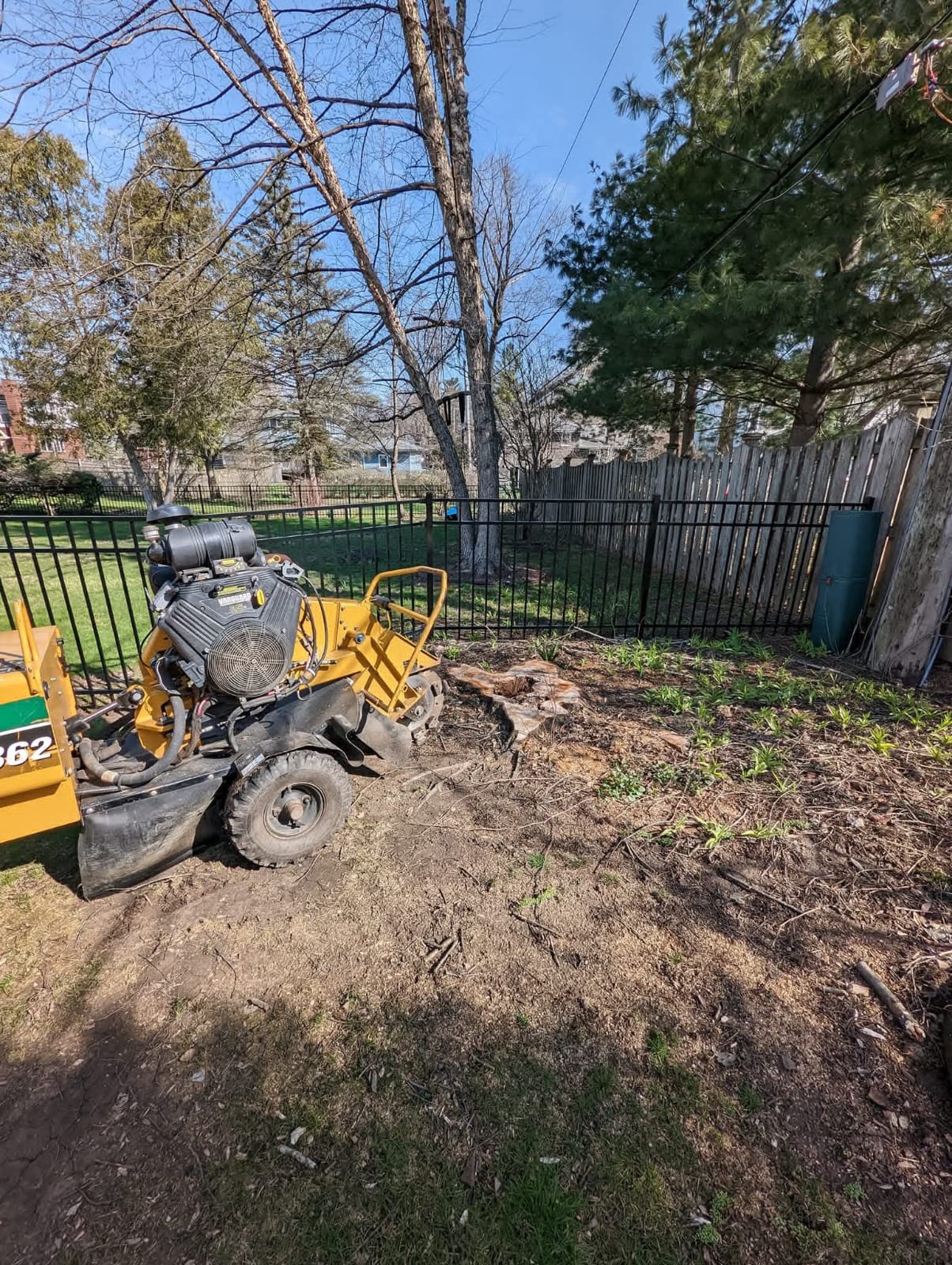
Regular trimming improves health, reduces hazards, and keeps branches from becoming expensive problems later.
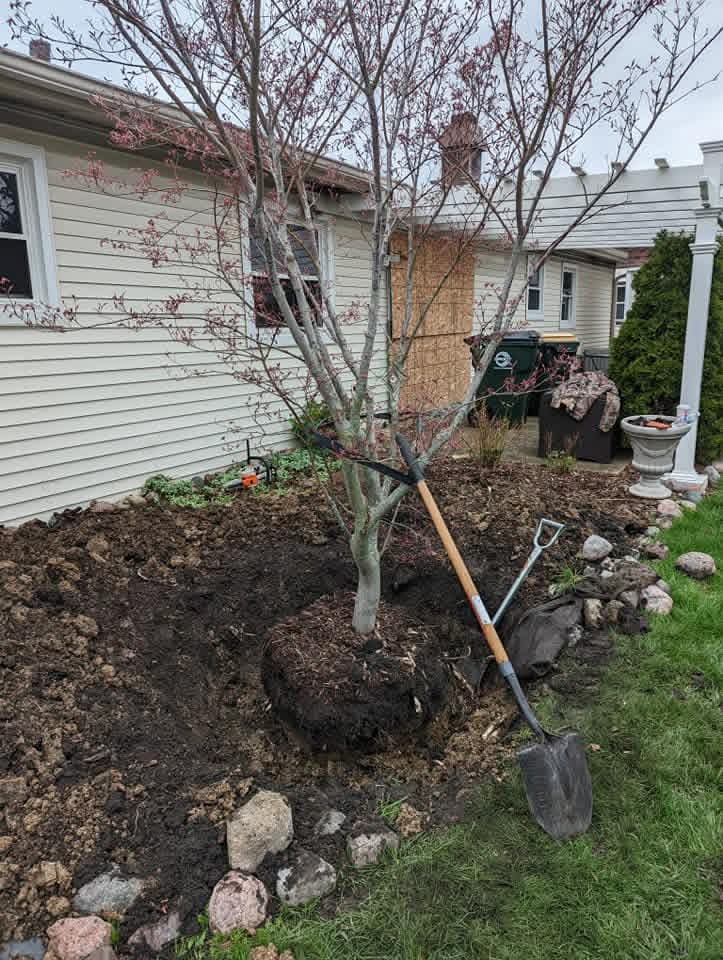
Some trees can be corrected with pruning, while others become safety risks and need full removal.
Storm-damaged trees should be handled quickly and carefully to avoid larger safety problems on the property.
Routine inspection and maintenance usually cost less than emergency removals and storm cleanup later.
Commercial properties need proactive tree care to reduce liability and maintain a clean professional exterior.
Timing matters. The right pruning schedule helps support growth, structure, and long-term tree health.
Leaning trunks, dead limbs, and root issues often show warning signs before emergency failure happens.
A good estimate should explain scope, safety, cleanup, access, and exactly what the crew plans to do.