Late-Spring Tree Health Assessment: What Arborists Look For
By late spring, trees have leafed out enough to reveal hidden problems. Here is what a professional tree health assessment actually checks for at this time of year.
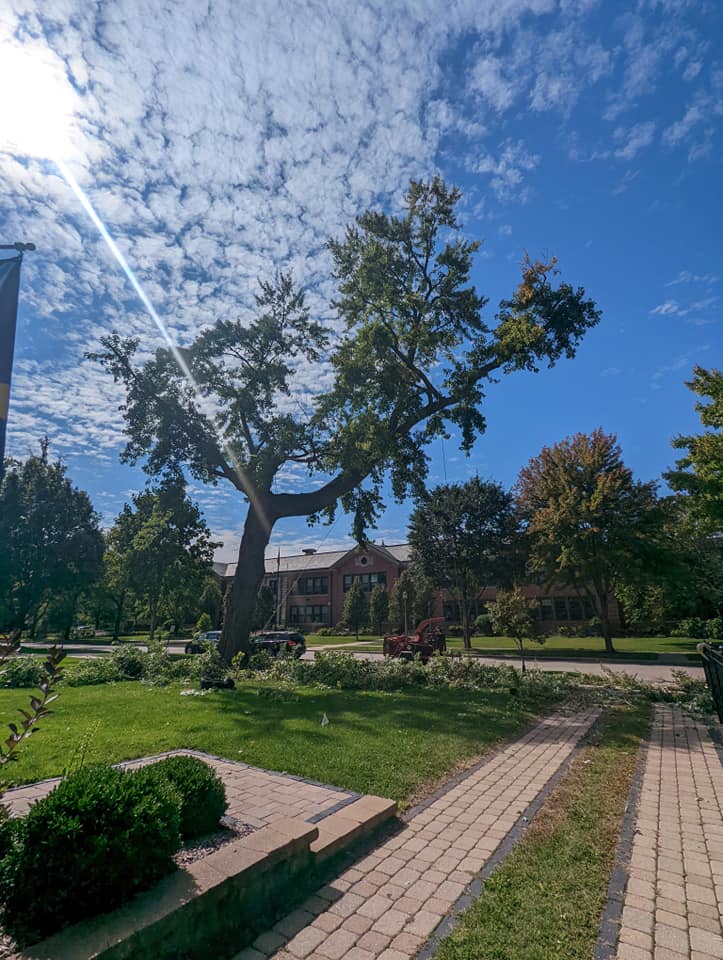
Late spring is one of the best windows of the year for an honest look at tree health. The canopy has filled in enough to show how the tree is really performing, but the season is still early enough to act on what an inspection finds. A walk-through now can flag problems that would otherwise turn into emergency removals or expensive repairs by mid-summer.
Canopy density is usually the first thing an arborist looks at. A healthy mature tree should leaf out evenly across its branches, with consistent leaf size and color from the lower canopy to the top. Thin spots, sections that never leafed out, smaller-than-normal leaves, or yellowing in patches can all point to root stress, pest pressure, internal decay, or a vascular issue inside the tree.
The trunk and main scaffold branches get the next pass. Inspectors check for cracks, seams, bulging tissue, cavities, weak branch unions, and bark that is starting to lift or separate. Co-dominant stems with tight V-shaped unions are a common failure point, especially on trees that have grown quickly without structural pruning earlier in life.
Below the canopy, the root flare and surrounding soil tell their own story. A flare that has been buried by mulch, lawn buildup, or grade changes is a quiet long-term threat. Lifted soil on one side of the tree, exposed roots that look damaged, and large fungal growth at the base can all signal that the tree is no longer well anchored. These are the trees that show up in storm cleanup calls, and they are far easier to address while the ground is dry and the schedule is calm.
A late-spring assessment usually ends with a clear plan. That might mean targeted pruning to reduce weight on weak limbs, deadwood removal to clean up the canopy, lot clearing where overcrowded trees are competing for light and root space, stump grinding from earlier removals, or a full removal recommendation for trees that are no longer safe to keep. Catching these decisions in spring leaves room to schedule the work before storm season instead of during it.
Need tree service?
Klein Creek Tree Care LLC helps residential and commercial properties with trimming, pruning, removals, storm cleanup, and safety-focused maintenance.