Deep Watering Established Trees Through a Summer Drought
Mature trees suffer quietly in a long, dry summer, and shallow watering makes it worse. Here is how to deep-water an established tree correctly when the heat sets in.
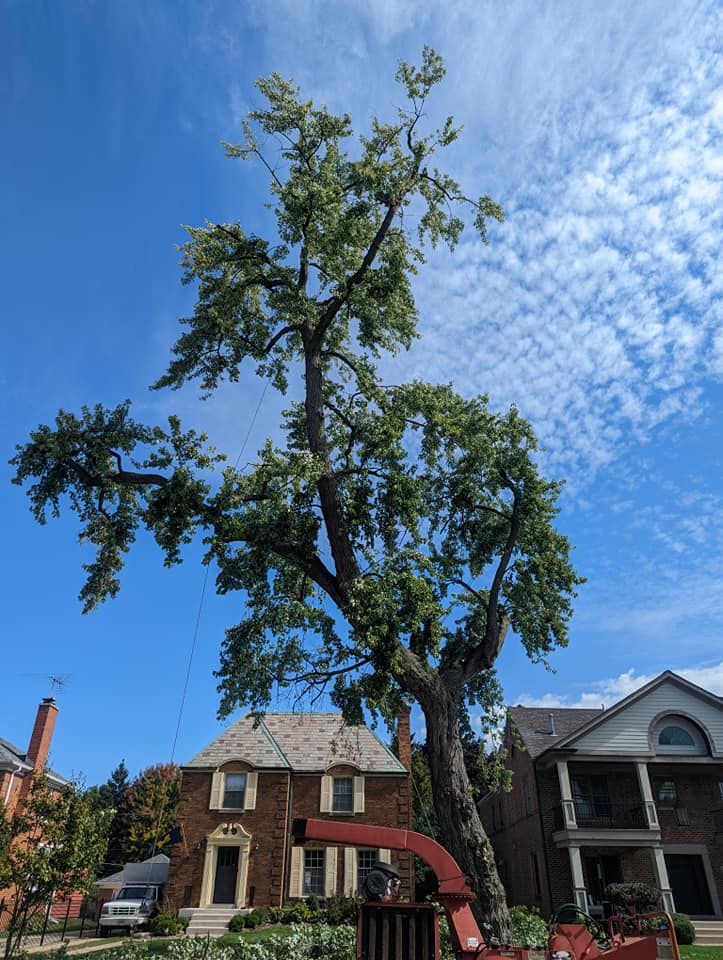
There is a common assumption that a big, established tree can take care of itself in a dry summer, and for a mild season that is often true. But a long, hot stretch with little rain puts real strain on even a mature tree, and the damage from summer drought tends to show up slowly, over the following seasons, rather than all at once. A tree that goes into fall dehydrated is more vulnerable to pests, disease, and winter injury, which is why a little intentional watering during the worst of the heat pays off long after the summer ends. The catch is that most homeowners water trees the wrong way, and shallow watering can do more harm than good.
The core mistake is watering the way you water a lawn: a light, frequent sprinkle that wets the top inch or two of soil and evaporates by afternoon. That kind of watering trains roots to stay near the surface, where they are the most exposed to heat and the first to dry out. What an established tree needs instead is deep, infrequent watering that soaks the soil well down into the root zone and encourages roots to grow deeper, where moisture lasts longer and the tree is better buffered against the heat. Fewer, longer waterings beat daily sprinkles every time.
Just as important is where you put the water, because most people water the wrong spot. The instinct is to water at the base of the trunk, but a mature tree's absorbing roots are not concentrated there. They spread outward, and the most active feeder roots sit out near and beyond the drip line, the outer edge of the canopy where rain would drip off the leaves. Watering right against the trunk does little for the tree and can actually encourage rot at the base. To help an established tree, you want to apply water across a broad ring out toward and past the drip line, covering as much of that root zone as you reasonably can.
The goal is to moisten the soil to a depth of roughly a foot or more, which is where the bulk of the working roots live. A slow, low-volume approach works best because it gives the water time to soak in rather than running off, especially on the dry, crusted, or compacted soil common by midsummer. A soaker hose laid in loops out under the canopy, a slow-running hose moved around the drip line, or a bucket with small holes are all effective; the point is slow and deep rather than fast and shallow. Water early in the morning to cut evaporation, and check how deep the moisture actually went by pushing a screwdriver or a probe into the soil an hour later.
How often to repeat this depends on your soil and the weather, and it is easy to overdo it in the wrong direction too. During a genuine hot, dry stretch, a deep soak every week or two is usually plenty for an established tree, and you want the top few inches of soil to dry out between waterings rather than staying constantly wet, because saturated soil starves roots of oxygen and invites root rot. A generous layer of mulch spread over the root zone, kept back from the trunk itself, holds that moisture in, moderates the soil temperature, and stretches the time between waterings, making it one of the most effective things you can pair with deep watering.
Watching the tree will tell you how it is coping, and some signs mean it is time to get help rather than just adjust the hose. Wilting, scorched leaf edges, and early leaf drop in the heat are the tree asking for water. But if a tree continues to decline despite good deep watering, or if you are unsure how much a particular tree needs or whether it is drought stress or something else at work, that is worth a professional look. An arborist can assess how a specific tree is handling the season, rule out pests or disease masquerading as drought, and help you protect a valuable mature tree through the hardest part of the year.
Need tree service?
Klein Creek Tree Care LLC helps residential and commercial properties with trimming, pruning, removals, tree health assessments, and safety-focused maintenance.