Visible Signs of Soil Compaction Near Trees
Compacted soil is one of the most common silent killers of urban and suburban trees. Here is how to spot it and what you can actually do about it.
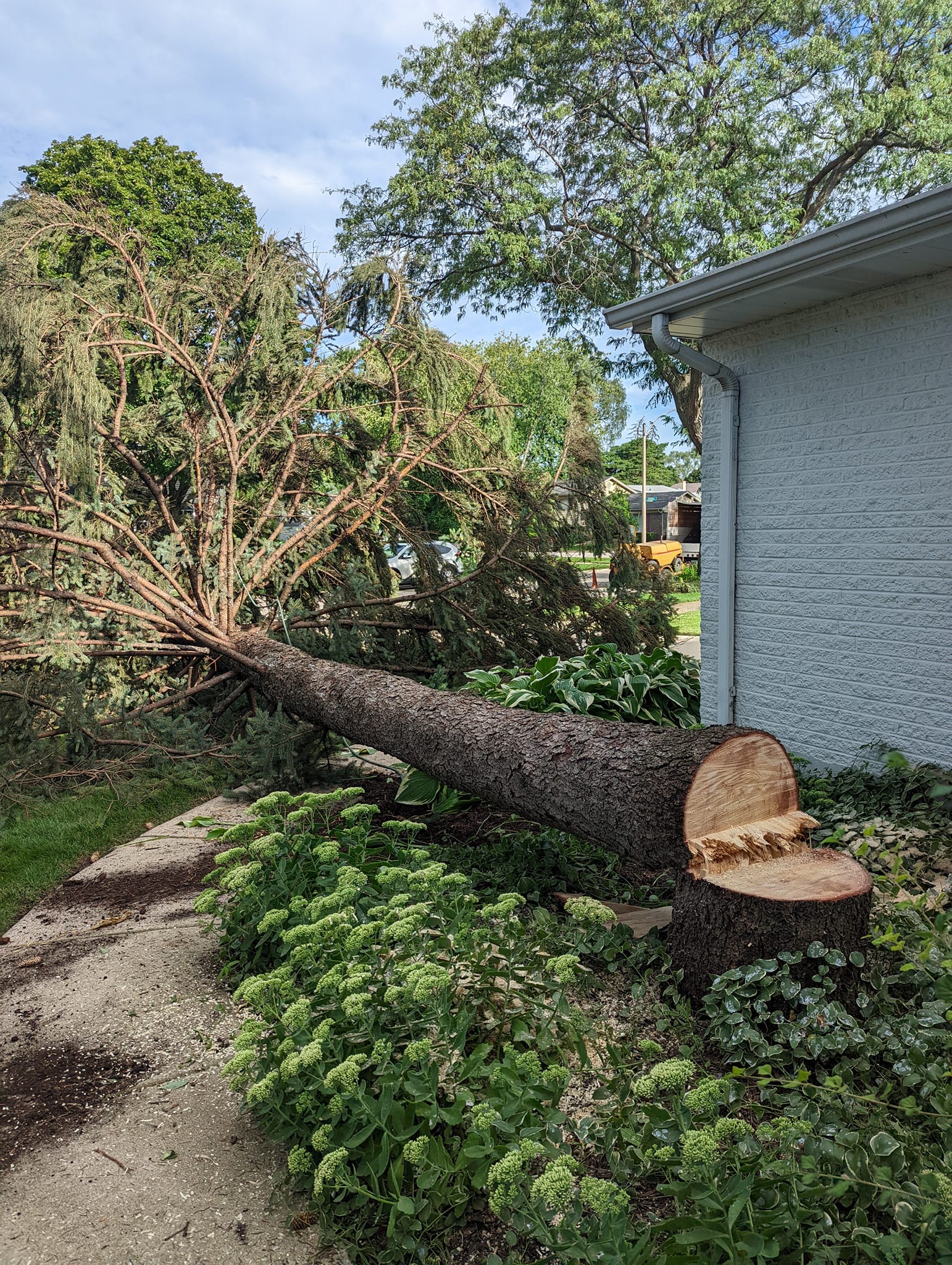
Soil compaction is one of the most underrated problems in residential tree care. It does not show up in a single dramatic event. It builds slowly, year after year, until a tree that should have lived for another forty seasons is in decline and nobody is sure why. The fix is usually possible, but only if the problem gets recognized before the damage runs deep.
What compaction does, mechanically, is squeeze the air spaces out of the soil. Healthy soil is about half mineral matter and half empty space, with that empty space filled with a mix of air and water that roots depend on. When the soil gets pressed down by repeated foot traffic, vehicle tires, mower wheels, or stored materials, the air spaces collapse. The result is a denser, harder layer that water cannot percolate through, air cannot reach, and fine roots cannot grow into. The tree above looks fine for a while because mature root systems have reserves, but the tree is slowly running out of working root surface.
The first visible sign is usually water behavior. After a normal rain, the ground in a compacted area stays wet at the surface much longer than the rest of the yard, then suddenly goes bone dry. That is because water cannot move down into the soil and either pools on top or runs off completely. Turf in a compacted zone is often thinner, patchier, and quicker to brown out under stress than the same lawn ten feet away. Bare or scuffed patches that never seem to fill in are another tell, especially under play equipment, near gates, or along paths that everyone uses without thinking about it.
Above the soil, the tree itself starts to show secondary symptoms over time. Smaller leaves than usual, a thinner canopy at the top, branch dieback at the ends of major limbs, premature fall color, and visible stress in dry weeks that the tree used to handle without trouble are all consistent with a root system that has lost working volume. Pests and disease tend to opportunistically pile on once a tree is stressed, so problems that arrive together often started with an underlying soil issue rather than the pest itself.
A simple field test that any homeowner can do is to push a screwdriver or thin metal rod into the soil at several points around the tree, from the trunk out past the dripline. In good soil it slides in easily for at least eight to ten inches. In compacted soil it stops short, sometimes within the first inch or two, and may take real force to push further. Compare a few spots and you can usually map out exactly which parts of the root zone are compromised.
The good news is that compaction is one of the few tree-care problems where targeted intervention can actually help. The wrong move is rototilling or aggressive cultivation under a mature tree because that cuts the very feeder roots you are trying to protect. The right move is gentler. Air-spading or vertical mulching, where small channels are made through the compacted layer and filled with loose, organic material, restores air and water movement without slicing roots. A wide, properly applied mulch ring keeps new compaction from happening on top of the repaired area. Diverting foot and vehicle traffic out of the critical root zone with low fencing, a path on the side, or a planted bed protects the work that has just been done.
The simplest preventive habit, for trees that are not yet badly compacted, is to keep everything that puts weight on the soil out from under the canopy. No parking, no construction staging, no storage of pavers or mulch piles, no repeated foot paths if they can be routed elsewhere. A mature tree depends on a wide root zone that the homeowner often does not see. Treating that zone as off-limits for heavy traffic is one of the cheapest forms of tree care available, and it is what separates the trees that quietly thrive for decades from the trees that struggle for reasons nobody can quite explain.
Need tree service?
Klein Creek Tree Care LLC helps residential and commercial properties with trimming, pruning, removals, storm cleanup, and safety-focused maintenance.