How Tree Roots Behave in Summer Heat
Summer heat changes how tree roots grow, absorb water, and respond to stress. Here is what is happening underground and what it means for your trees.
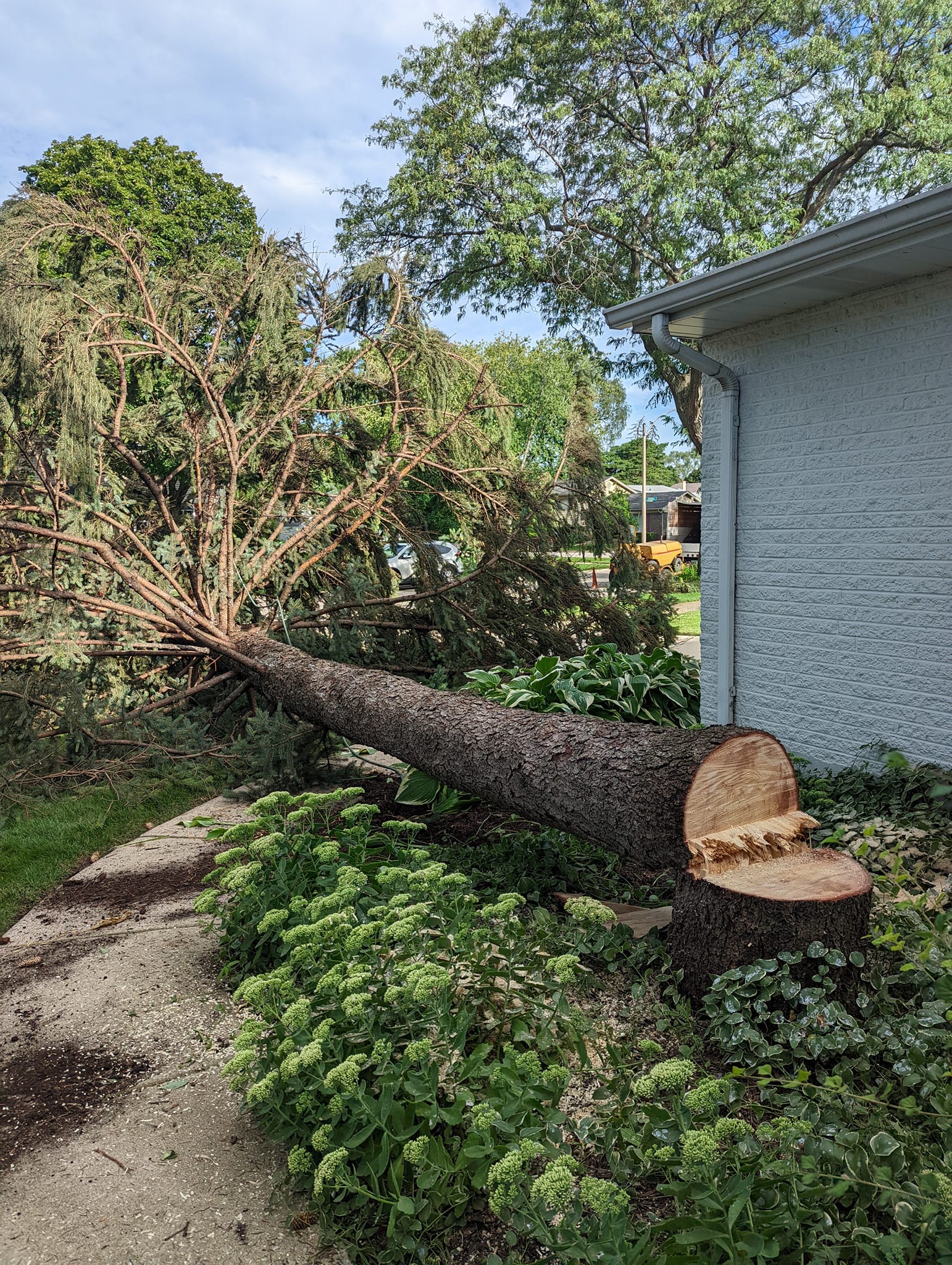
Most of the attention in tree care goes to what you can see: the canopy, the bark, the branch structure. But in summer, the most consequential changes in a tree's condition happen underground, where heat, soil moisture, and root activity interact in ways that are rarely obvious until a problem has been developing for weeks. Understanding what roots actually do when temperatures climb helps homeowners make better decisions about watering, soil management, and when to call a professional.
Tree roots are not static. Fine feeder roots — the tiny, hair-thin structures responsible for most water and nutrient uptake — grow and die in pulses throughout the growing season. In spring, a healthy tree puts out a flush of new feeder roots as soils warm. By midsummer, high soil temperatures slow or stop fine root growth entirely in many species. The critical zone is the top few inches of soil, which can reach temperatures well above 80 degrees Fahrenheit in direct sun on a clear day. Most tree roots stop growing when soil temperatures at root depth stay consistently above 90 degrees, and on exposed sites with dark soils, that threshold can be crossed by June.
When fine root growth slows, the tree's ability to take up water decreases at exactly the same time that heat and transpiration from the canopy is highest. The result is hydraulic stress — the tree is losing water through its leaves faster than roots can replace it. Mild stress shows up as temporary wilting in the afternoon, which usually recovers overnight. Prolonged stress causes more lasting damage: premature leaf drop, dieback of small branches in the canopy's outer edges, and a weakened immune response that makes the tree more vulnerable to secondary infections from insects and fungi.
Soil type changes the equation significantly. Heavy clay soils hold water but conduct heat deeply and stay warm long after the surface cools at night. Sandy soils drain quickly and stay cooler, but need more frequent moisture to keep fine roots active. Compacted soils of any type behave like clay under heat stress because the loss of pore space reduces both drainage and the air exchange that roots also require. This is why trees planted in compacted urban soils or along parking lots often show summer stress symptoms even when rainfall seems adequate — the roots are in soil that cannot support them properly regardless of moisture.
Mulch is one of the most effective tools for moderating summer root conditions. A two to four inch layer of coarse organic mulch extending several feet out from the trunk — well beyond the flare, not touching the bark — reduces soil temperature at root depth by five to ten degrees on the hottest days. It also slows evaporation, reduces soil compaction from foot traffic, and feeds the soil biology that supports long-term root health. This is not a cosmetic application. For trees under any kind of stress, a proper mulch ring is a meaningful intervention that directly changes what is happening in the root zone.
Deep watering in summer is more effective than frequent shallow watering for the same reason. Wetting only the top inch or two of soil keeps fine root growth at the surface, where heat stress is worst. Slow, deep irrigation that moves moisture down to eight to twelve inches keeps roots growing at the depth where soils stay cooler and more stable. A soaker hose or drip irrigation set to run for a long, slow cycle once or twice a week does more for a stressed tree than daily surface spraying.
When heat stress has progressed to visible symptoms — branch dieback, early leaf drop, or a sparse canopy on a previously full tree — those are signs that root function has been impaired enough to affect the whole tree. A professional assessment at that stage can determine whether the damage is recoverable, whether soil work around the root zone would help, and whether the canopy load should be lightened to reduce the water demand the compromised roots are struggling to meet. Catching the problem early is almost always less expensive than addressing the consequences after a season of uncorrected stress.
Need tree service?
Klein Creek Tree Care LLC helps residential and commercial properties with trimming, pruning, removals, tree health assessments, and safety-focused maintenance.