Choosing the Right Shade Tree for a Wheaton Yard
Planting a shade tree is a decision you live with for decades. Here is how to pick the right species, the right spot, and set a new tree up to thrive in a Wheaton, Illinois yard.
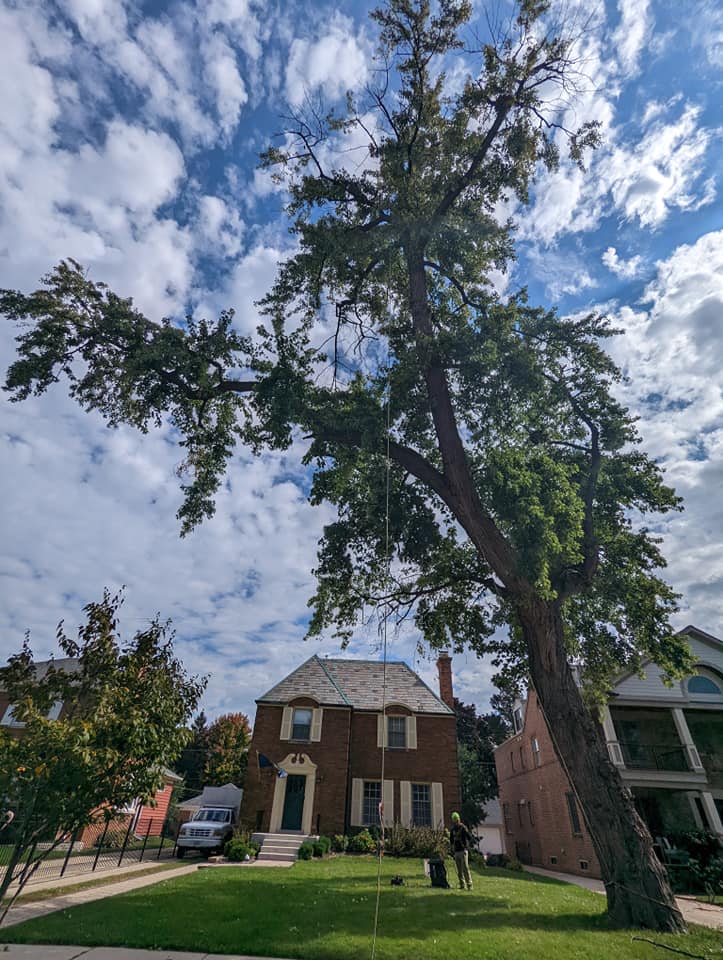
A well-placed shade tree is one of the best long-term investments you can make in a property. It cools the house in summer, softens the look of the yard, gives birds and wildlife a home, and quietly adds value year after year. But a shade tree is also a decision you live with for decades, and the choices you make at planting time are hard to undo later. The tree that looks perfect as a slender sapling from the nursery can become the wrong tree in the wrong place twenty years on. Taking a little time up front to choose well saves a great deal of trouble down the road.
The first thing to understand is that Wheaton sits in a cold-winter, hot-summer climate, and the right tree here is one that is comfortable with both. This part of Illinois falls into a hardiness zone that rules out species bred for milder regions, so it pays to choose trees known to do well locally rather than whatever happens to be on sale. Native and regionally proven shade trees are the safest bets because they are adapted to the swings in temperature, the clay-heavy soils common in the area, and the pests and diseases that show up in the Midwest. A tree that belongs here will need less coaxing and stand up better to a rough winter or a dry August.
Before you fall in love with a particular species, look hard at the spot you are planting in. The single most common mistake homeowners make is underestimating how big a shade tree gets. That small tree in the pot may top out at fifty or sixty feet with a wide canopy, and it needs room in every direction, including up. Check for overhead power lines, because a tree that will grow into the lines is a tree that will be topped and butchered by the utility for the rest of its life. Look at how close you are to the house, the driveway, the septic field, and your neighbor's fence, and picture the mature canopy and the root spread, not the sapling. Sun exposure matters too, since most shade trees want full sun to grow strong and even.
Think also about the kind of tree you actually want to live with. Some shade trees drop messy fruit or seed pods, some have shallow, aggressive roots that lift sidewalks and driveways, and some are fast growers with weak wood that breaks up in storms. Others are slower but far stronger and cleaner. There is no single best tree, only the best tree for your situation, and being honest about how much cleanup and maintenance you are willing to do will steer you toward a species you will be happy with in ten years rather than fighting with. A good arborist can walk your Wheaton yard and match a handful of solid options to your soil, your space, and your priorities.
How you plant the tree matters as much as which tree you choose. The most frequent killer of new trees is planting too deep. The root flare, the point where the trunk widens out into the roots, should sit at or just above the soil line, never buried. Dig the hole wide but no deeper than the root ball, loosen the roots if they are circling in the pot, and backfill with the native soil rather than a rich amended mix that can trap the roots in place. Water deeply and consistently through that first year, and mulch in a wide, flat ring, kept back from the trunk, to hold moisture and protect the base.
The good news is that a shade tree planted thoughtfully asks very little of you once it is established. Give it the right species, the right spot, and a solid start, and it will spend the next several decades paying you back. If you are planning to plant this year and you are not sure what will thrive where you want it, it is worth having someone who knows Wheaton trees take a look before you dig, so the tree you put in the ground is one you and the next owner of the property will be glad is there.
Need tree service?
Klein Creek Tree Care LLC helps residential and commercial properties with trimming, pruning, removals, tree health assessments, and safety-focused maintenance.