Structural Pruning for Young Trees in Wheaton: Small Cuts, Long-Term Benefits
Correcting branch structure while a tree is young can reduce storm damage risk and prevent larger, more disruptive pruning later.
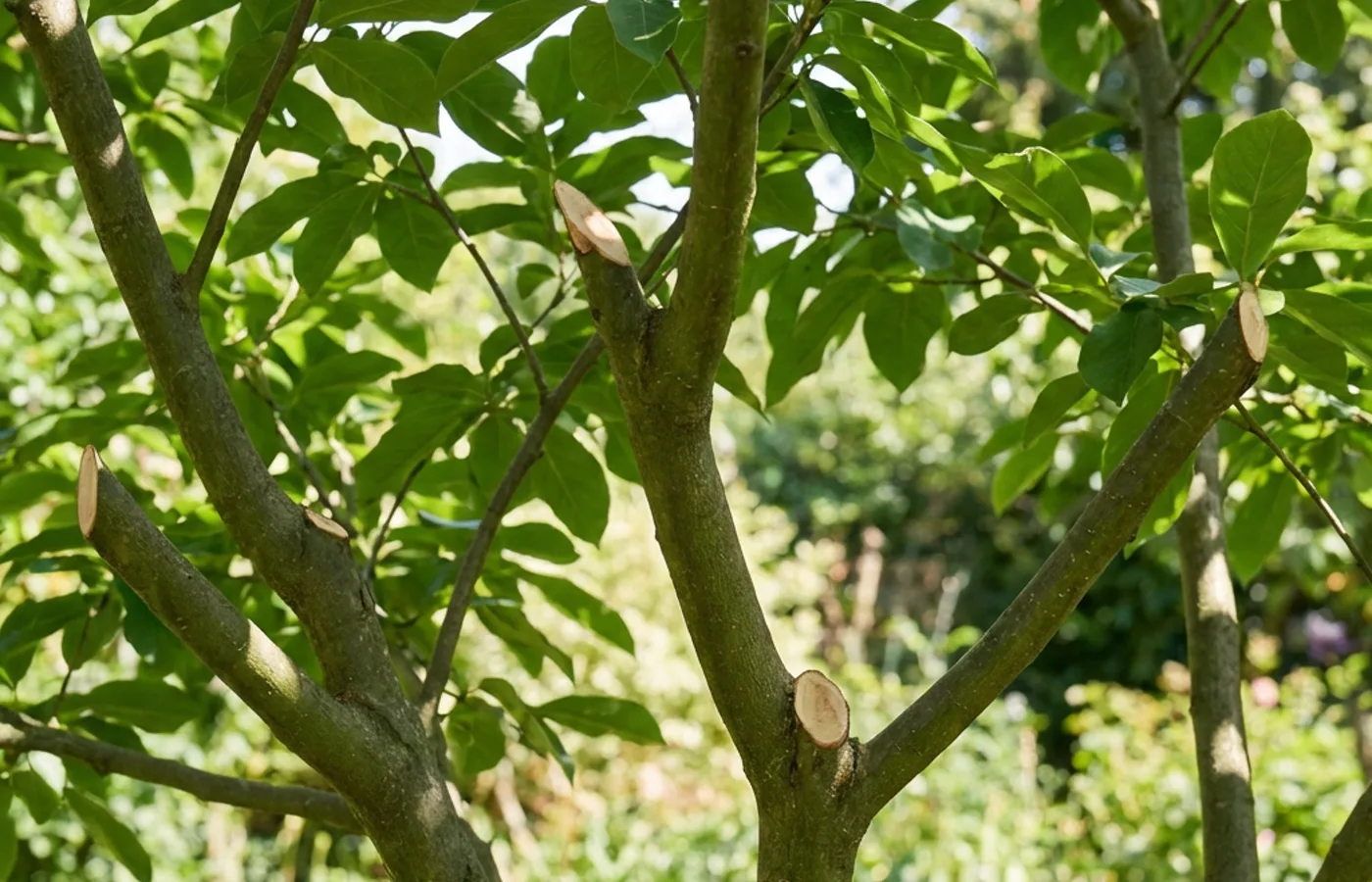
A newly planted tree may look too small to need professional pruning, but its early years are when structure is easiest to guide. Branches are light, cuts are small, and defects can often be corrected without changing the tree's natural appearance. For homeowners in Wheaton, structural pruning is a practical way to help a young tree handle future wind, snow, and the weight of a mature canopy.
The main goal is to develop one clear trunk with well-spaced branches. Some young trees produce two competing leaders or several branches clustered at the same point. As those stems thicken, their connection can remain narrow and weak. Other branches may cross, rub, grow sharply inward, or form too low for a future sidewalk or driveway. Addressing those patterns early gives stronger parts of the canopy room to develop.
Structural pruning is selective, not aggressive. A young tree still needs plenty of foliage to make energy and establish roots, so removing too much at once can slow growth. The work usually focuses on a few high-value cuts: reducing a competing leader, removing a damaged or rubbing branch, and managing temporary lower branches rather than stripping them all away. The right amount depends on the species, size, condition, and time of year.
Good cuts are made just outside the branch collar, the slightly raised area where a branch meets the trunk. Leaving a long stub interferes with closure, while a flush cut removes protective tissue and creates a larger wound. Topping or shortening every branch to the same outline is not structural pruning. Those practices can trigger weak sprouts and erase the natural form the tree needs for long-term stability.
Timing should follow the tree, not a universal calendar rule. Many deciduous species respond well to dormant-season pruning, while damaged branches may need attention whenever they pose a concern. Oaks require special seasonal care because pruning during periods of active insect movement can increase oak wilt risk. A local evaluation helps match the pruning window to the species and the specific objective.
Young-tree care is easier and less disruptive than correcting the same defect after decades of growth. Klein Creek Tree Care serves Wheaton and surrounding Chicago suburbs with pruning and tree health assessments. If a recently planted tree has competing trunks, crowded branches, storm damage, or an uncertain form, an early inspection can establish a sensible pruning plan without removing more than the tree can comfortably replace.
Give young trees a stronger start
Ask Klein Creek Tree Care LLC about selective pruning and tree health assessments in Wheaton and nearby Chicago suburbs.