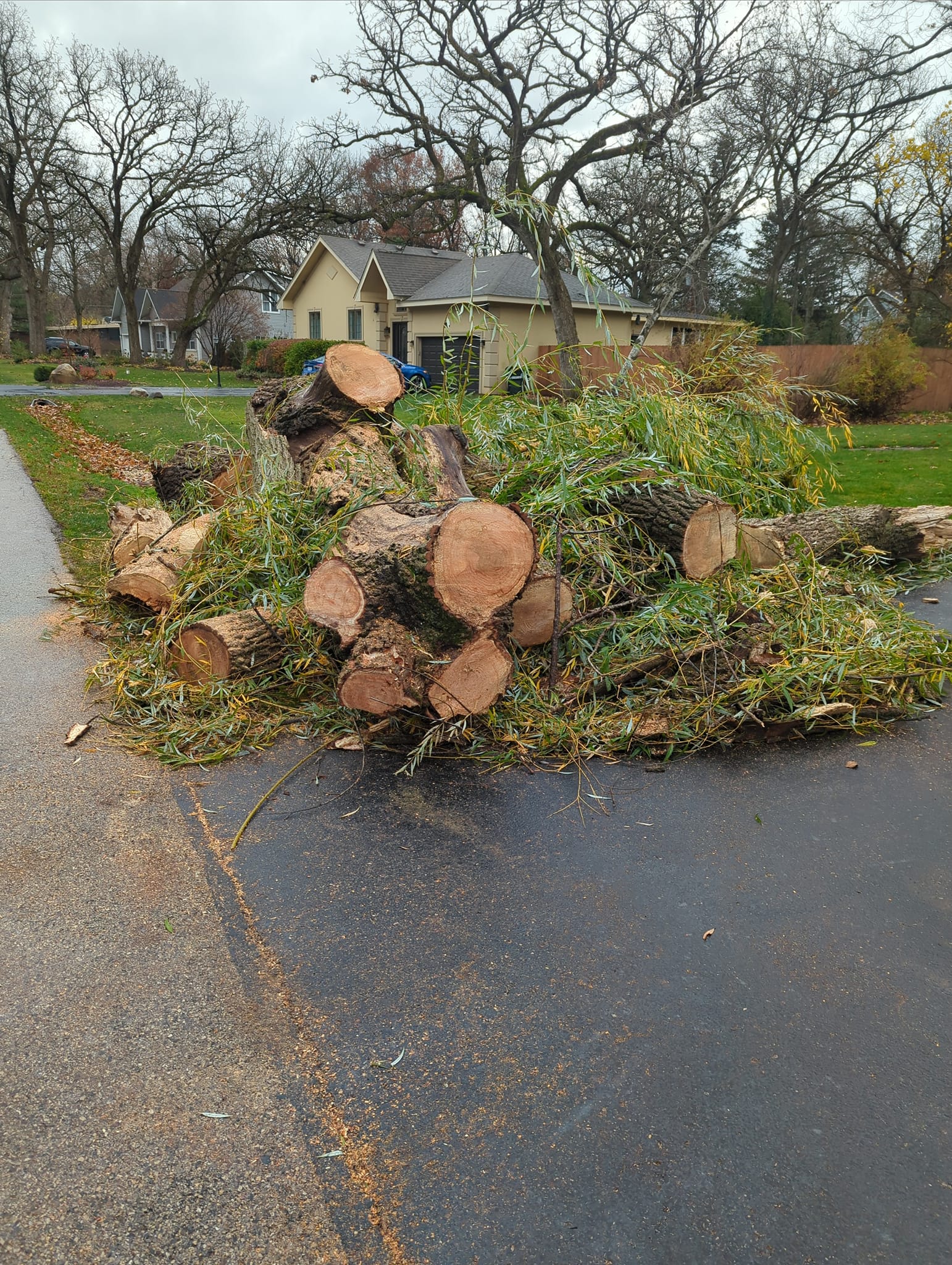
Safeguarding Your Trees During Home Renovation and Landscaping in Wheaton
Undertaking a home renovation or significant landscaping project in Wheaton is an exciting endeavor. You envision new patios, expanded driveways, or a fresh garden layout. Amidst the planning and excitement, it's crucial not to overlook one of your property's most valuable assets: its mature trees. Construction-related damage to trees is often subtle and can take years to manifest, ultimately leading to decline or even tree death. Protecting your trees proactively during these projects is far more effective and less costly than trying to remedy damage later. As local outdoor experts, Klein Creek Tree Care emphasizes a thoughtful approach to ensure your trees thrive even as your property evolves.
Understanding the Vulnerabilities of Trees During Construction
Trees, especially mature ones, are incredibly sensitive to changes in their environment, particularly around their root systems. The soil beneath a tree's canopy isn't just dirt; it's a complex ecosystem of roots, water, nutrients, and air. This critical area is known as the "critical root zone" (CRZ) or "tree protection zone" (TPZ). Any activity that compacts the soil, severs roots, changes drainage patterns, or exposes the trunk can have devastating long-term effects.
In Wheaton, where many properties boast beautiful, established trees, recognizing these vulnerabilities before work begins is paramount. Root damage, often out of sight, is the most common and insidious form of injury. Roots extend far beyond the drip line of the canopy, often two to three times the canopy's spread, and a significant portion of a tree's feeder roots are in the top 12-18 inches of soil. Protecting this unseen network is the first line of defense.
Establishing a Tree Protection Zone (TPZ)
The single most effective measure you can take is to establish a clearly defined Tree Protection Zone (TPZ) around any tree you wish to preserve. This zone should extend at least to the drip line of the tree's canopy, and ideally further, to encompass as much of the critical root zone as possible. Once established, this area should be treated as off-limits for all construction activities.
- Fencing: Install sturdy, highly visible fencing (e.g., orange construction fence) around the entire TPZ before any work begins. This barrier serves as a physical reminder and deterrent against encroachment.
- No Storage: Prohibit the storage of construction materials, soil, debris, or chemicals within the TPZ. Even temporary storage can compact soil or introduce harmful substances.
- No Parking/Driving: Absolutely no vehicle parking, driving, or equipment operation should occur within the TPZ. The weight of vehicles causes severe soil compaction, suffocating roots.
- No Excavation: Avoid any excavation, trenching, or grade changes within the TPZ. If utilities must cross this zone, consider tunneling beneath roots rather than trenching.
- Educate the Crew: Communicate clearly with your contractors and their crews about the importance of the TPZ and the rules for working around trees. Place signs on the fencing.
Protecting Trunks and Canopies
While root protection is crucial, the trunk and canopy also need safeguarding. Heavy equipment can easily scrape bark, creating open wounds that invite pests and disease. Falling debris from demolition or overhead work can break branches, leading to structural instability.
- Trunk Protection: For trees close to the work area, wrap the lower trunk with several layers of burlap or sturdy plywood strapped loosely in place. This provides a buffer against accidental bumps and scrapes.
- Branch Protection: If machinery must operate very close to the canopy, minor pruning may be necessary to provide clearance. This should be done by a qualified arborist, adhering to proper pruning techniques to minimize stress on the tree. Avoid severe cutting back or "topping" at all costs.
- Overhead Clearance: Ensure adequate clearance for wires, pipes, and structures during installation to prevent future conflicts.
Watering and Post-Construction Care
Construction activities are inherently stressful for trees. Even with careful protection, some level of disturbance is often unavoidable. Consistent watering during and after the project can significantly mitigate stress, especially during dry periods, which are common in Wheaton summers.
- Deep Watering: Provide deep, slow watering within the TPZ, ensuring moisture penetrates to the roots. Avoid frequent, shallow watering.
- Mulch: Apply a 2-4 inch layer of organic mulch (like wood chips) over the entire TPZ, keeping it a few inches away from the trunk. Mulch helps retain soil moisture, regulate temperature, and reduce compaction.
- Arborist Assessment: After the project is complete, have a certified arborist from Klein Creek Tree Care assess your trees. They can identify any latent damage, recommend corrective pruning, or suggest soil amendments to aid recovery. Early intervention can make a significant difference.
Your trees are not just part of the landscape; they are long-term investments that add beauty, shade, and property value. By implementing these preventative measures during your Wheaton home renovation or landscaping project, you can ensure their continued health and enjoyment for generations to come. Don't let the excitement of new improvements overshadow the care your existing trees deserve. A little foresight goes a long way in protecting your green assets.