Turning a Removed Tree Into Firewood: Seasoning and Storage Basics
If a tree came down on your property this fall, the logs can heat the house, though probably not this winter. Fresh-cut wood needs time to dry before it burns well.
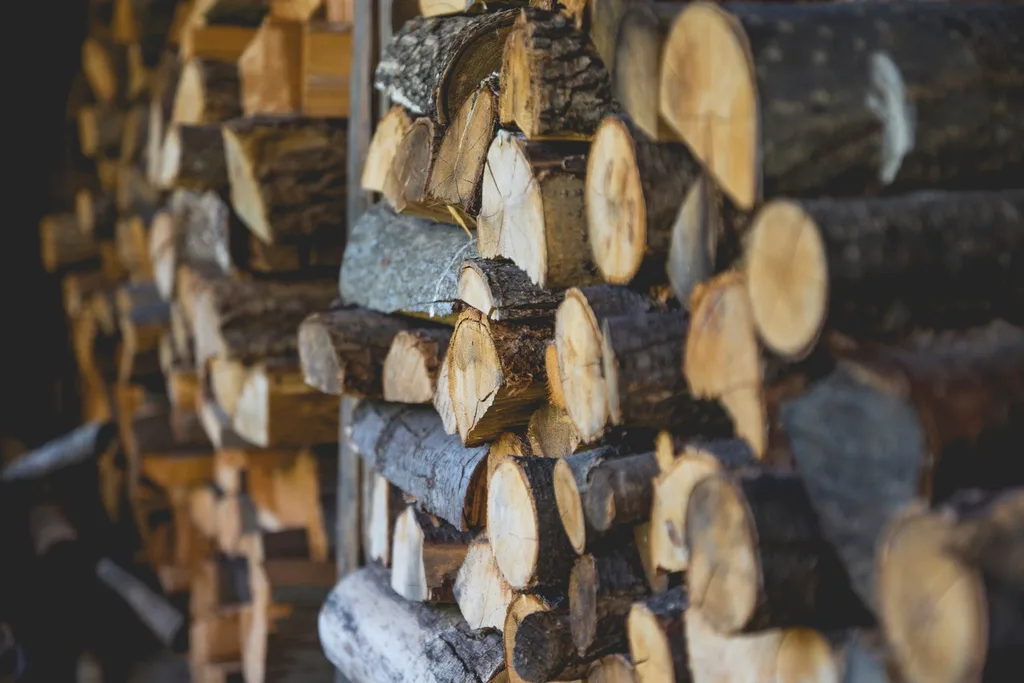
Fall and early winter are a busy time for tree removals, and plenty of homeowners would like to keep the trunk wood for the fireplace. That can be a good use of a tree. Freshly cut wood is full of water, though. Burning it before it dries gives you a smoky, hissing fire, less heat, and more creosote building up in the chimney.
Most hardwoods need at least six months to a year of drying after they are split, and oak often takes closer to two years. Ash has a reputation for drying faster than most. Softer woods such as silver maple, cottonwood, and willow dry quickly too, but they burn fast and give off less heat. In practice, wood cut and split this November should be ready to burn next fall or winter. Wood from a tree that stood dead for a long time may be drier, but it can also be soft or rotten in places, and punky wood does not burn well.
Wood dries mostly through its cut ends and split faces, while bark slows the process down. Cut the trunk into rounds that fit your firebox, usually around 16 inches, and split them soon instead of leaving whole rounds in a pile. Smaller splits dry faster than large ones. Many people find that frozen rounds split more cleanly on a cold day.
Stack the wood off the ground on pallets or a pair of rails so air can move underneath. A single row in a sunny, breezy spot dries faster than a deep pile in the shade. If you have more than one row, leave a few inches between them so air can pass through. Cover the top of the stack to keep off rain and snow, but leave the sides open. Wrapping the whole pile in a tarp traps moisture and keeps the wood damp.
Keep the stack several feet away from the house. Woodpiles attract mice, carpenter ants, and other insects, and a pile against the foundation gives them an easy route inside. Bring in only what you will burn in the next few days. Avoid stacking wood against a fence or a living tree, where it holds moisture against the bark or boards.
Seasoned wood is noticeably lighter than fresh wood. The ends show cracks, the bark loosens, and two pieces knocked together make a sharp crack instead of a dull thud. An inexpensive moisture meter takes the guesswork out: split a piece and check the fresh face, and aim for 20 percent or lower.
Some wood should not go in the fireplace. Never burn painted or treated lumber, and do not burn logs with poison ivy vines attached, because the smoke can cause serious lung irritation. Firewood can also carry insects and diseases to new areas, so burn it close to where it was cut instead of hauling it to a cabin or campsite. Wood from an oak that died of oak wilt needs special handling because the fungus can spread to healthy oaks, so ask an arborist before you stack it.
Before any tree removal, it helps to settle what will happen to the wood. If you want to keep some for the fireplace, say so when you request an estimate so it can be part of the plan. Klein Creek Tree Care provides tree removal, stump grinding, and cleanup for homeowners in Wheaton, Glen Ellyn, and surrounding communities.
Have a tree that needs to come down?
Klein Creek Tree Care LLC provides tree removal, stump grinding, and debris cleanup in Wheaton, Glen Ellyn, and surrounding communities.