Fall Watering for Wheaton Trees Before the Ground Freezes
Cooler weather slows a tree's water use, but it does not stop it. A dry fall can send trees, and evergreens in particular, into winter at a disadvantage.
Once the summer heat breaks, most people stop thinking about watering. Lawns green up, sprinkler systems are shut down for the year, and trees seem finished for the season. Below ground, fall is still an active time. Roots keep growing while the soil is unfrozen, and trees store the reserves they will draw on next spring. When September and October turn dry, which happens often enough in northern Illinois, a little attention to watering helps trees go into winter in better shape.
Not every tree needs help. Large, established shade trees with wide root systems usually handle a normal fall on their own. The trees that benefit most are those planted in the last few years, whose roots have not spread far beyond the original root ball, and evergreens of any age. Pines, spruces, firs, arborvitae, and yews keep their foliage all winter and keep losing moisture through it on sunny, windy days, while frozen soil prevents them from replacing it. An evergreen that starts winter dry is more likely to show brown, scorched foliage in early spring. Trees that lost roots to construction or trenching, or that looked stressed this summer, belong on the list too.
Rainfall totals from a weather app are a rough guide, but the soil gives the real answer. Push a long screwdriver or a narrow trowel into the ground under the outer half of the canopy. If it slides in easily and the soil feels cool and damp several inches down, the tree does not need water yet. If the soil is hard and dry a few inches below the surface, it is time to water. Check again a week later instead of setting a fixed schedule; fall rain is uneven, and one soaking storm can carry a tree for a while.
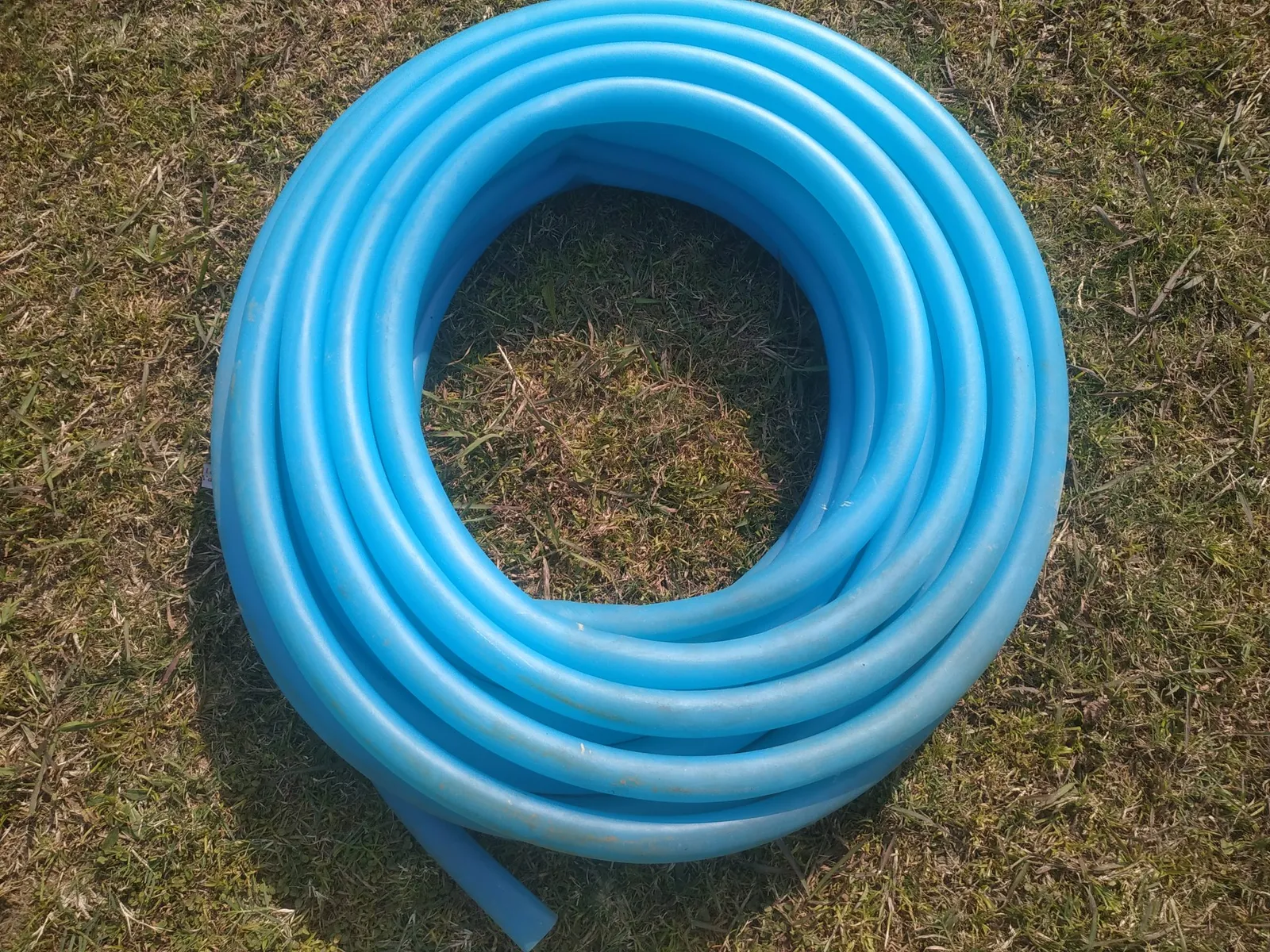
Slow, deep watering is the goal. A hose left at a gentle trickle, a soaker hose laid in loops under the canopy, or a watering bag on a young tree delivers water slowly enough to soak in rather than run off. Focus on the area from a short distance outside the trunk out toward the edge of the branches, not right against the bark. For a newly planted tree, the original root ball and the soil just beyond it matter most. Water during the day while temperatures are above freezing so it has time to soak in, and stop once the ground has frozen for the season.
Much of the Wheaton area sits on heavy clay that holds water for a long time, and overwatering can do as much harm as drought because saturated soil pushes out the oxygen roots need. That is the main reason to check before watering and to skip a session when the soil is still moist. If water puddles under a tree for hours after a soak, apply less at a time and allow longer between sessions. Trees in low spots or near downspouts may never need extra water at all.
An in-ground sprinkler system is not the same as tree watering. Those systems are usually winterized in fall, sometimes before trees are done needing water, and even while running, lawn zones apply frequent, light water that wets only the top few inches of soil. That suits grass but does little for deeper tree roots. Keep a hose and a soaker line handy after the system is blown out so evergreens and young trees can still get a deep drink during a dry stretch.
A layer of mulch over the root zone, kept a few inches back from the trunk, slows evaporation and moderates soil temperature through winter. Fall is not the time to push a stressed tree with heavy fertilizer, though. Fertilizer will not stand in for missing water, and stimulating growth late in the season is not what a struggling tree needs. If a tree has been declining, the better step is to find out why.
If an evergreen browned badly last spring, a young tree is not settling in, or you cannot tell whether a tree's problems have anything to do with water, request an evaluation this fall. Klein Creek Tree Care works with homeowners in Wheaton, Glen Ellyn, and nearby communities on seasonal tree care, and adjusting care now is easier than sorting out winter injury in April.
Not sure your trees are ready for winter?
Klein Creek Tree Care LLC offers tree health evaluations and seasonal care advice for properties in Wheaton, Glen Ellyn, and surrounding communities.